Competition in the app world is fierce, so every advertising dollar matters. Today’s marketers who invest into in-app retargeting must look beyond top-of-funnel metrics such as clicks, and focus on the actions that drive real business results: conversions and ROAS.
That’s why we built Hopkins 1.0, Remerge’s new bidding model for retargeting, which brings conversion-based optimization to the heart of how we value and bid on advertising impressions. By aligning bidding decisions more closely with advertisers’ individual goals, the model is designed to help app businesses drive more conversions from their existing budgets while expanding their unique reach to new impression opportunities.
Hopkins 1.0 is built on a deep neural network architecture informed by the behavioral data of almost three billion device IDs, which it uses to make sophisticated conversion predictions. The model excludes sensitive demographic attributes to preserve user privacy, while ensuring that client data remains siloed.
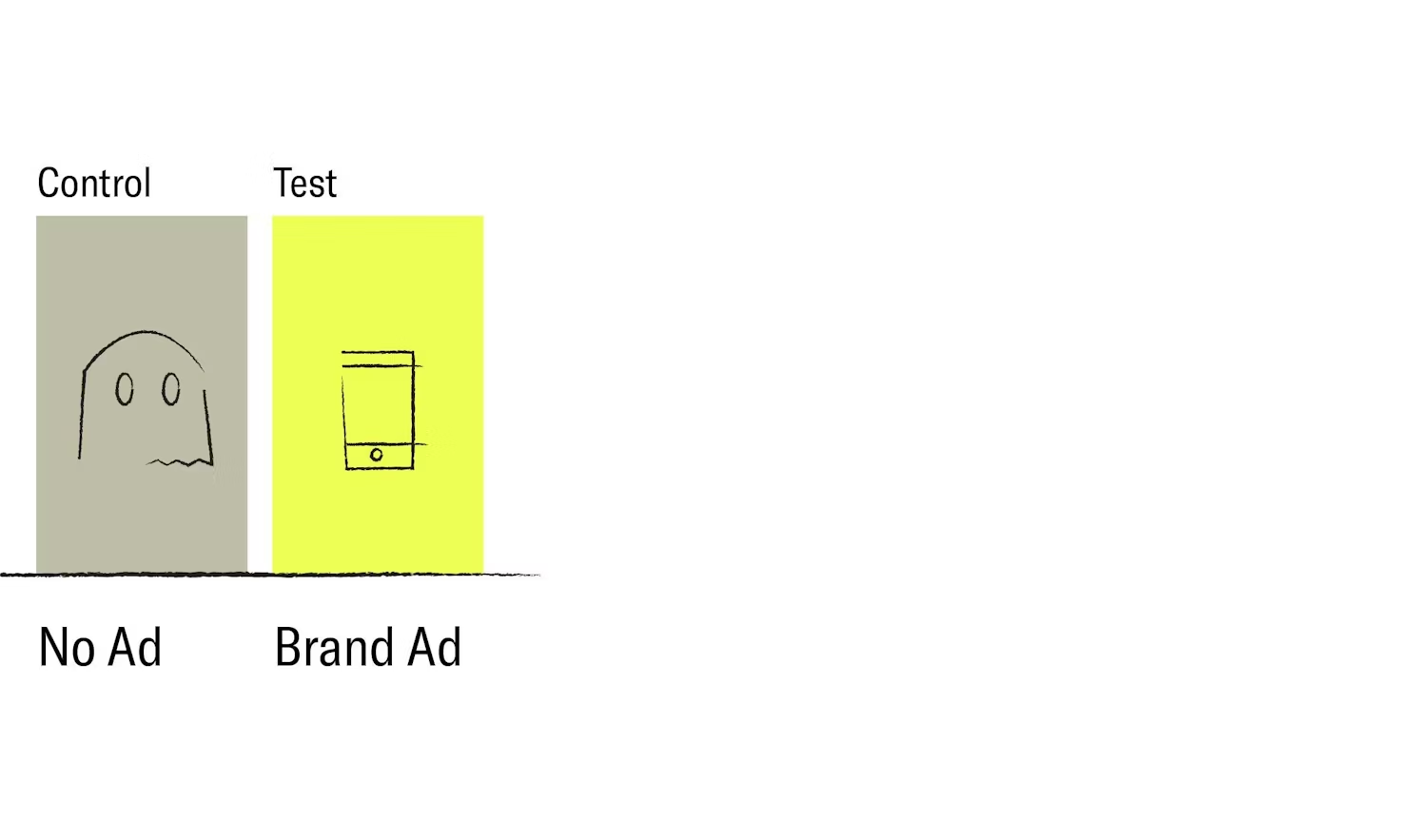
In controlled equal-spend tests with live clients, Hopkins 1.0 delivered an average 22% reduction in cost per conversion compared to our previous model. Here’s how we got there, what makes Hopkins 1.0 different, and where we plan to take the technology next.

Remerge’s journey to smarter bidding
Since pioneering in-app retargeting in 2014, Remerge has continually refined its bidding technology to improve campaign performance. As the app industry has evolved, so have the KPIs that matter most to advertisers. Today, top-of-funnel metrics like click-through rates and re-engagements have taken a backseat to lower-funnel events that deliver more measurable business results, such as conversions.
Hopkins 1.0 has evolved alongside these changing priorities. Since the last model, we’ve tripled the number of behavioral signals that we use to inform bidding decisions. By combining richer behavioral data with more sophisticated signal weighting and faster model retraining, we can better identify conversion opportunities and respond more quickly to changes in user behavior.
Another key area of investment has been our experimentation platform, which plays an increasingly important role in how we develop, test and measure Hopkins 1.0. As Freddie Karlbom, VP of Bidding & Optimization at Remerge, explains:
“With the rise of AI coding agents allowing us to make changes to the model more quickly, the focus now shifts to how efficiently we can test performance. Changes that previously took weeks to develop can now be implemented in days, making experimentation and verification increasingly important. That's why we've invested significantly in our experimentation platform, enabling us to evaluate results more effectively under equal-spend conditions across hundreds of advertisers to make faster, more confident decisions about which changes to introduce.”
What is Hopkins 1.0?

Named in homage to Claude Hopkins, the pioneering advertiser who championed measurable marketing, Remerge’s Hopkins 1.0 model embodies a simple principle: advertising performance should be evaluated against the outcomes that matter most to your app.
The model introduces two key improvements:
1. Optimization tailored to each advertiser’s business model and attribution settings
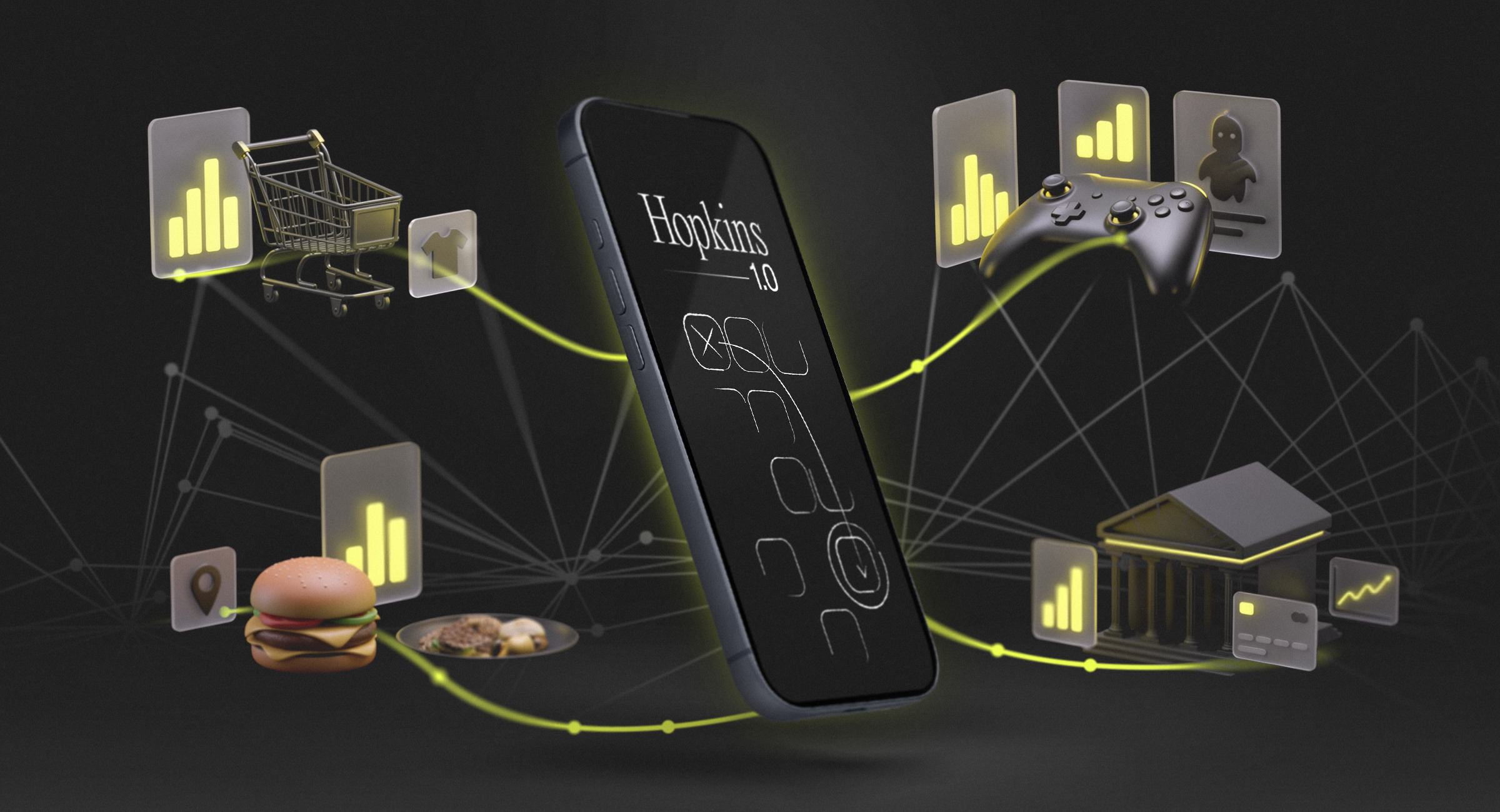
While Remerge has always optimized toward each advertiser’s conversion goals, Hopkins 1.0 takes a more tailored approach by accounting for how each advertiser measures success. An e-commerce app might want to drive first purchases, whereas a finance app may be seeking new deposits from unengaged users. Remerge's team can configure these target events within the campaign's budget settings, while the model also accounts for each advertiser's measurement partner and how they track conversions. This ensures that bidding reflects each advertiser's specific goals and closely aligns with the results they see in their own reporting.
2. More conversions at lower cost, with greater unique reach
In controlled equal-spend tests with live clients, Hopkins 1.0 delivered an average 22% reduction in cost per conversion compared to the previous model. This improvement is driven by a broader range of behavioral signals and expanded access to new inventory, allowing us to reach 8.4% more unique users, while improving conversions from the same budget.
Where previous models relied on a narrower set of signals, Hopkins 1.0 now analyzes the full user journey from installation to purchase, tracks how engagement changes over time, and incorporates spending behavior directly into its predictions. These improvements provide a more complete understanding of user behavior and help drive more conversions.
What’s next for Hopkins?
Hopkins 1.0 is an important milestone, but Remerge’s work on bidding optimization continues as we implement more complex goal definitions and attribution scenarios, while balancing multiple parallel optimization objectives. We’ll also continue refining the model’s performance, incorporating additional behavioral signals and expanding our access to new inventory.
With Hopkins 1.0 as a foundation, Remerge will continue developing bidding strategies that better align campaign performance with advertisers’ business goals. To find out how Hopkins 1.0 can help drive growth and revenue for your app, get in touch here: