インクリメンタリティ

科学的な測定方法

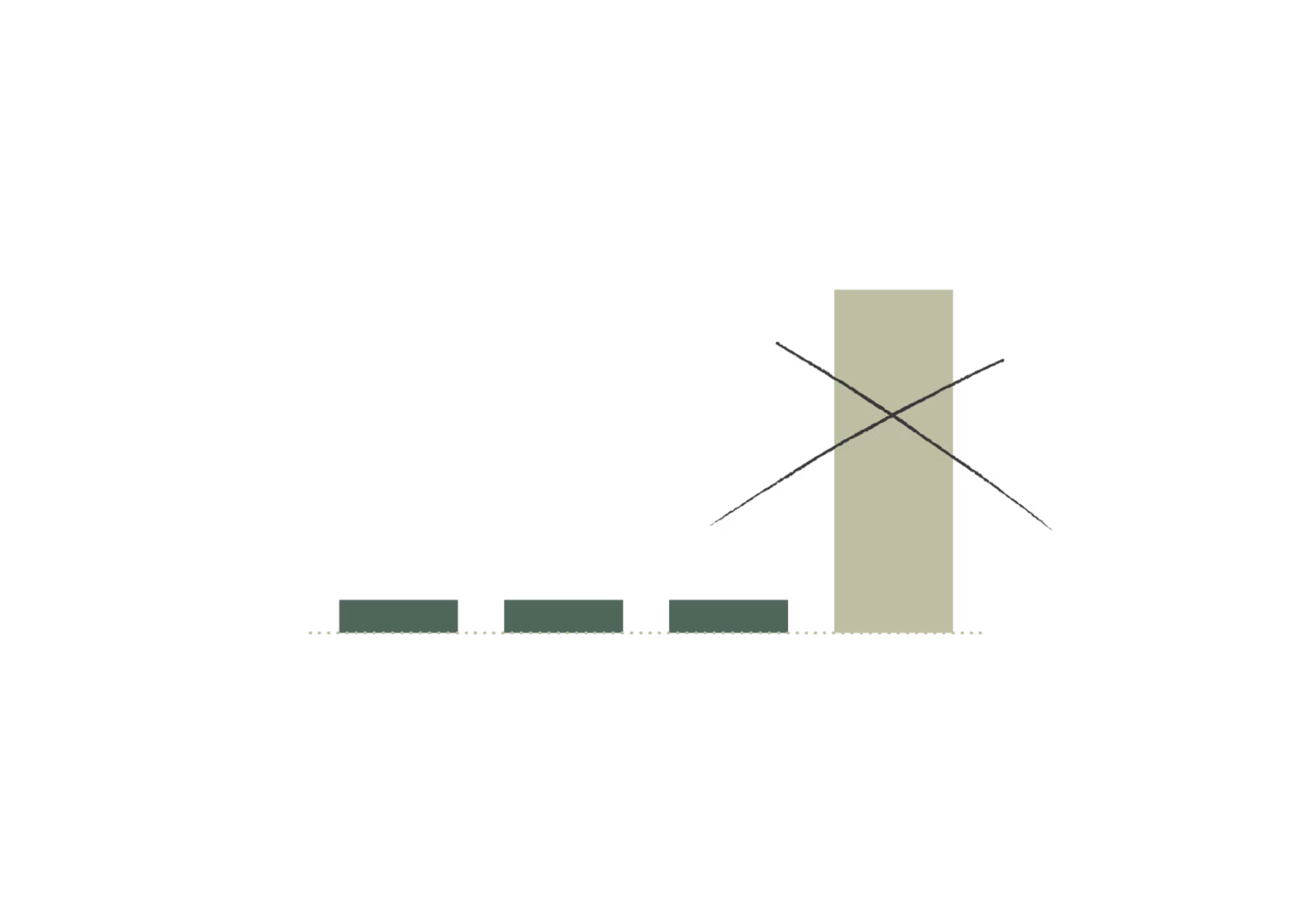
インクリメンタリティは測定を簡素化します。シングルクリックまたはインプレッションの価値を概算するのではなく、広告を表示しているグループと表示していないグループの間で示された行動の正確な違いを特定します。インクリメンタリティは、体系的に実施されれば、測定するための決定的な方法が提供されます。


Diagram showing an experimental group with a pilot measurement followed by a main measurement, and a control group with a pilot measurement followed by a main measurement, leading to a final incrementality calculation.

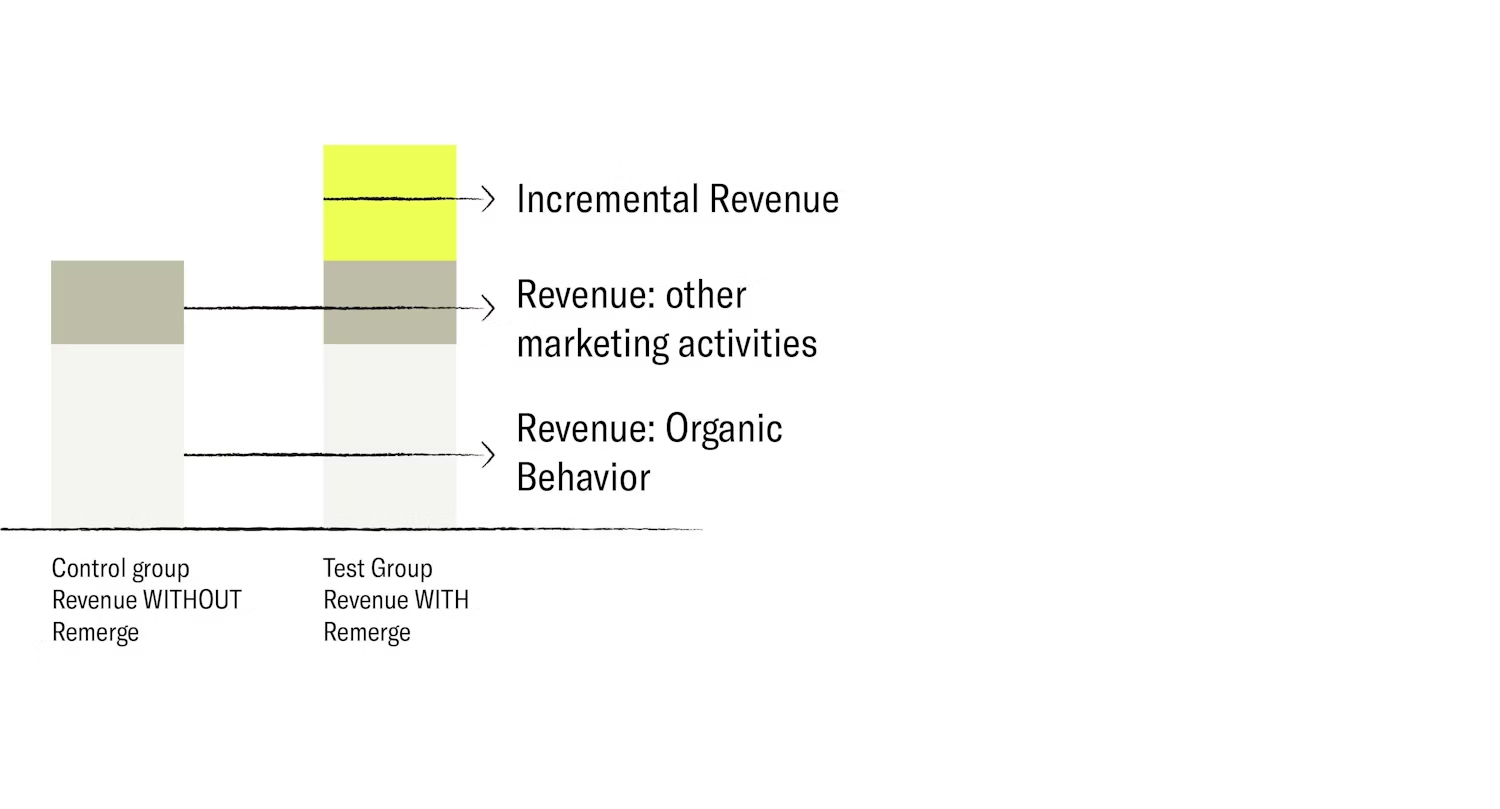
For performance marketers, that means being able to separate genuine campaign uplift from conversions that would have happened anyway. Organic behavior, brand equity, email, push notifications, other paid channels and external factors are already present in the control group. Incrementality measures the additional value created on top of that baseline.

What is incrementality?

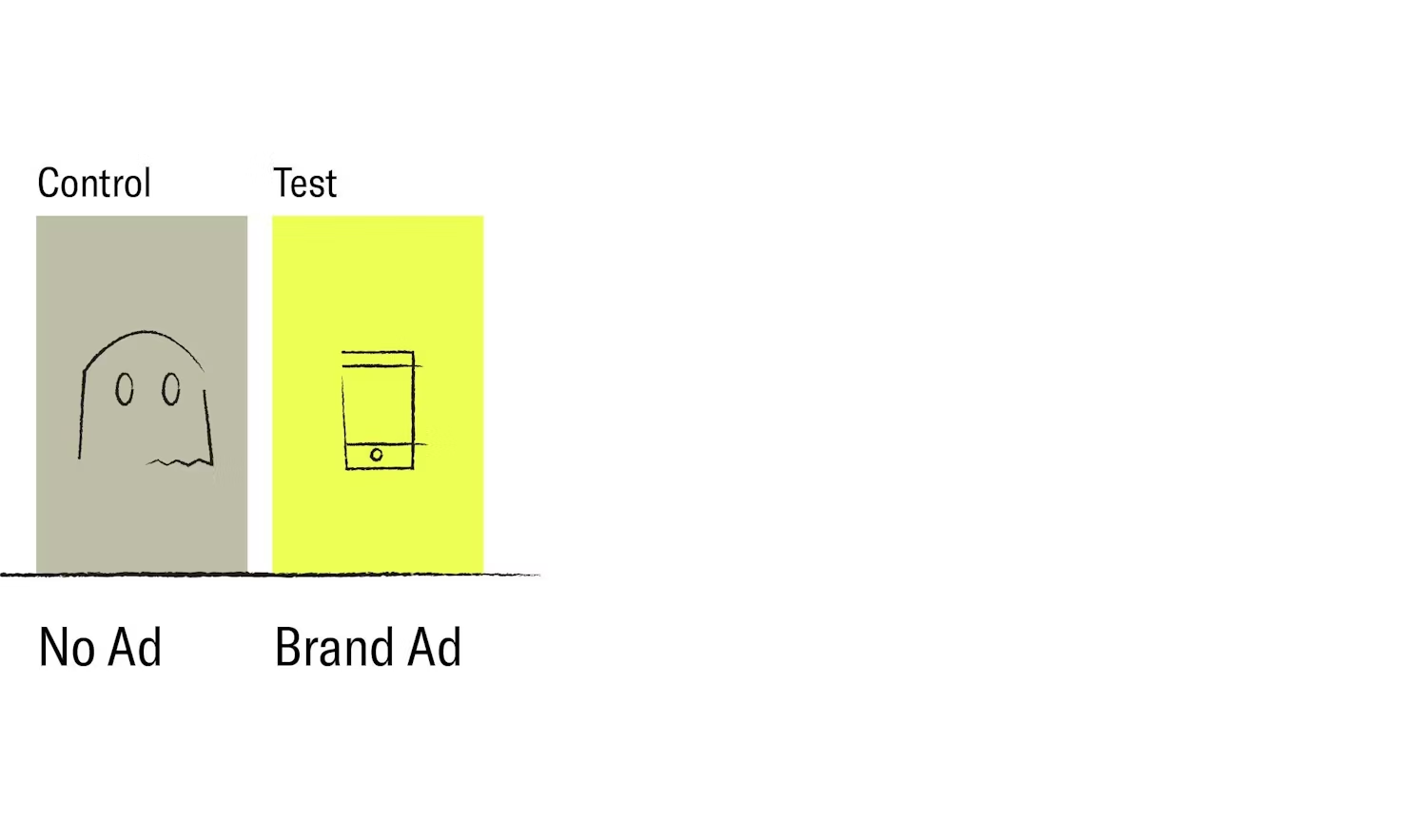
Incrementality is a measurement methodology used to determine the causal impact of advertising. Users or markets are divided into comparable treatment and control groups: one group is exposed to a campaign and the other is not. The difference in their outcomes represents the campaign's incremental impact.

The methodology is based on the same principle used in randomized controlled trials. A conversion occurring after exposure to an ad does not necessarily mean the ad caused it. Incrementality is designed to answer that causal question.

Incrementality is how Remerge measures app retargeting campaigns, and the same method applies to user acquisition.

ラストタッチアトリビューション

ユビキタスの一方で課題も

ラストタッチアトリビューションモデルには、シンプルさの一方で、代償もあります。このモデルは、ベンダーができるだけ多くの低コストのクリックと閲覧を促すようにインセンティブを与えることで、ユーザーが本当に責任をもって行動しているかどうか定かでないのに、誰もがユーザーの行動の信用を得るために戦っているように錯覚しやすい環境を生み出しています。ブランド資産価値、組織的な行動、メールマーケティング、Push通知などの外部要因を考慮に入れていないため、ベンダーが貢献している実際の価値を明確に理解することはできません。

It can't provide you with a clear understanding of the actual value your vendors are contributing because it doesn't account for brand equity, organic behavior, email marketing, push notifications or other external factors. This also makes it difficult to answer a common concern for performance teams: are multiple partners being paid for users who would have converted anyway?

Incrementality provides a way to test this directly. If a conversion would have happened without the campaign, it appears in the control group's baseline. Only the difference between exposed and unexposed groups counts as incremental value.


ノンストップイノベーション

私たちのインクリメンタリティソリューション

2016年から、私たちは3つの異なる方法論を試しています。Intent-to-Treat、PSA、Ghost Bidsです。何千ものテストを実施し、独自の分析フレームワークを開発することで、常に稼働し、コストフリーで信頼性の高いアップリフト測定を可能にするGhost Bids手法を生み出しました。

By comparing identifiable treatment and control sub-markets, Causal Impact can isolate the incremental effect of a campaign from broader trends and organic behavior. This makes it particularly valuable for measuring no-ID traffic, where deterministic attribution alone cannot provide the full picture.

For a comparison of the three test designs, read Incrementality Tests 101: Intent-to-Treat, PSA, Ghost Ads and Ghost Bids.

Incrementality in practice

Incrementality is only useful if the methodology stands up to scrutiny. That means transparent test design, balanced groups and results that can be independently validated.

Miniclip verified the methodology

When Miniclip ran an incrementality test with Remerge for its 8 Ball Pool retargeting campaigns, the team went beyond simply accepting the reported results. Miniclip compared Remerge's randomization data with its own internal behavioral data, including activity, matches played, player level, lifetime value and retention.

Using Distribution Matching, Miniclip found that the treatment and control groups were perfectly balanced across the KPIs it examined - an independent validation of the randomization methodology.

“Remerge's transparent approach towards incrementality testing has made it easy to verify their results from our end.”
- Jamie Lee, Digital Marketing Analyst, Miniclip

Read the Miniclip incrementality study

Socialpoint found its lowest-ever incremental acquisition costs

Socialpoint used Remerge's Causal Impact methodology to measure the incremental performance of User Acquisition campaigns for Dragon City. Over an eight-week period, the teams ran 14 tests and experimented with different creative formats.

The results delivered Socialpoint's lowest-ever iCPI and iCPA figures, while also showing that video outperformed static and native formats in both CTR and conversion rate. The tests gave Socialpoint actionable evidence for how to optimize future UA activity rather than relying solely on attributed performance.

“We are doubling down on building tools that will enable our UA teams to measure actions with 100% incrementality in the event that all other types of measurement move away.”
- Alexandre Noirot-Cosson, Head of Marketing for Live Games, Socialpoint

Read the Socialpoint case study

PhotoSì identified when to spend

For seasonal businesses, performance can change dramatically depending on the time of day, day of week and wider calendar. PhotoSì worked with Remerge on a series of incrementality tests over four weeks, testing supply partners, creatives and campaign timing across ID and no-ID traffic.

The findings showed that weekends and evenings were the strongest times to run campaigns, while video and interstitials were the best-performing creative formats. The predictive model also highlighted the importance of seasonality, helping PhotoSì make more informed decisions about where and when to allocate budget.

“Incrementality testing gives you another perspective of your User Acquisition activity, which you don’t have with a deterministic approach.”
- Manuel Mainetti, PhotoSì

Read the PhotoSì case study

Delivery Hero measured value in a no-ID world

Delivery Hero became one of the first advertisers to use Remerge's incrementality solution for User Acquisition on no-ID traffic. Starting with HungerStation in Saudi Arabia, the teams first ran multiple experiments on ID traffic using different creative formats during peak evening hours.

Those learnings were then used to inform tests on no-ID traffic. The project helped achieve competitive CPI performance, identify campaign elements for future optimization and demonstrate the incremental value of the advertising activity.

Read the Delivery Hero case study

How to run an incrementality test

A successful incrementality test starts with a business question, not a methodology. Before launching a campaign, define exactly what you need to prove.

1. Define the conversion event

Decide what outcome the campaign should create. Depending on your business, this could be an install, registration, purchase, order, re-engagement or incremental revenue. The KPI should reflect the business objective rather than simply the easiest event to measure.

2. Create comparable test and control groups

For retargeting, users should be randomly assigned so that they remain in either the treatment or control group. This is essential for avoiding overlap and ensuring that differences in outcomes can be attributed to the advertising exposure.

For no-ID campaigns, comparable treatment and control sub-markets can be used instead, allowing aggregated data and econometric analysis to measure campaign uplift.

3. Run long enough to generate meaningful data

The right test duration and group size depend on audience volume, expected conversion rates and the size of the effect being measured. A test needs enough data to distinguish a genuine signal from normal variation.

4. Compare outcomes, not just attributed conversions

The control group represents the baseline: conversions and revenue generated through organic behavior, other marketing activities and external influences. The treatment group shows what happened with the advertising campaign running.

The difference between those outcomes is the incremental contribution of the campaign.

5. Use the results to optimize decisions

The value of incrementality is not simply proving whether a campaign worked. Results can be used to compare creatives, audiences, supply partners, times of day, geographies and optimization strategies, and then move budget toward activity that creates genuine additional value.

How to read incremental ROAS

Traditional ROAS measures attributed revenue against advertising spend. Incremental ROAS, or iROAS, focuses only on the additional revenue caused by the campaign.

Incremental revenue ÷ ad spend = iROAS

For example, if an exposed group generates more revenue than a comparable control group, the difference is the campaign's incremental revenue. Dividing that additional revenue by spend gives you iROAS.

Worked examples are in our guide to interpreting incremental ROAS.

The same principle applies to other incremental KPIs:

  • iCPI measures the cost of each additional install generated by the campaign.
  • iCPA measures the cost of each additional conversion or action.
  • Incremental uplift measures the difference in conversion or revenue outcomes between treatment and control groups.

What is a good incremental ROAS?

There is no universal benchmark. A good iROAS depends on your margins, customer lifetime value, payback period and the conversion event being optimized.

For example, an e-commerce app may be able to evaluate incremental revenue directly. A food delivery app with relatively fixed profit per order may prefer to set an iCPA target based on the profit generated by each incremental conversion.

The important distinction is between attributed performance and incremental performance. A campaign can report a strong attributed ROAS while contributing little additional revenue if many of those users would have converted anyway. Incremental KPIs provide the evidence needed to make that distinction.

Frequently asked questions about incrementality

What is incrementality in marketing?

Incrementality measures the additional outcome caused by a marketing activity. It compares the behavior of an exposed treatment group with an unexposed control group to determine whether the advertising created genuine uplift.

How is incrementality different from attribution?

Attribution assigns credit for a conversion to one or more marketing touchpoints. Incrementality measures whether a campaign actually caused an additional conversion, action or revenue outcome. The two approaches can work alongside each other: attribution can provide standardized operational reporting, while incrementality can validate whether attributed results reflect genuine value.

We compare the two approaches in more depth in Attribution vs incrementality: pros and cons.

What is incremental ROAS?

Incremental ROAS, or iROAS, is the revenue generated in addition to what would have happened without advertising, divided by ad spend. It is designed to measure the true return created by a campaign rather than all revenue attributed to it.

How does incrementality prevent double-paying for users?

Incrementality does not attempt to decide which partner should receive attribution for an individual conversion. Instead, it measures the total additional effect of a campaign against a control baseline. If users would have converted without a campaign, that behavior is reflected in the control group rather than counted as incremental value.

Can incrementality be measured without device IDs?

Yes. Causal Impact methodologies can use aggregated data and identifiable sub-markets rather than individual user IDs. This makes incrementality particularly useful for measuring the effectiveness of no-ID campaigns.

How do you know an incrementality test is reliable?

Reliable tests require comparable treatment and control groups, sufficient sample size and duration, clear KPI definitions and a methodology that can be independently verified. Transparency is critical: advertisers should be able to understand how groups were created and validate the analysis with their own data where appropriate.

Should incrementality replace traditional attribution?

Not necessarily. Attribution and incrementality answer different questions. Attribution helps marketers report and operate campaigns across channels, while incrementality helps validate whether those campaigns are creating additional business value. Used together, incrementality can provide an important calibration layer for attribution models.

When should I use incrementality testing?

Incrementality is particularly valuable when you need to prove campaign uplift to leadership, evaluate the true value of retargeting, compare partners or channels, optimize budget allocation, measure no-ID traffic or investigate whether attributed conversions are cannibalizing organic behavior.

Measure what your campaigns actually change

Clicks and attributed conversions can tell you what happened after an ad was served. Incrementality helps answer the harder question: what would have happened without it?

That difference is what performance teams can take to leadership when defending spend, evaluating partners and deciding where the next budget should go.

考えれば考えるほどiROASが答えである

お問い合わせ
Retargeting lexicon
Programmatic Advertising

The automated process of buying and selling advertising space through digital platforms.

View-Through Attribution
view-through-attribution

Refer to: Attribution Methodology

‍

Uplift Test | アップリフトテスト
uplift-test

Remergeが実施するランダム化比較試験で、1つまたは複数の広告の増分効果を測定するためのテスト。

参照:ランダム化比較試験 (RCT)

Uplift Report | アップリフトレポート
uplift-report

アップリフトテストの結果をまとめたRemergeのレポート。オーガニックやその他のマーケティングドリブンなコンバージョンに加え、発生した増収益を提示。また、広告費、グループサイズ、コンバージョン量、コンバーター、グループごとの収益などの観測値や、その他の指標も含まれている

SKAdNetwork (SKAN)
skadnetwork

Store Kit Advertising Networkの略。Appleが提供するモバイルアトリビューションをトラッキングするための計測フレームワーク。2018年に導入され、2020年のiOS 14.5アップデートで広く実装された。

Segment | セグメント
segment

位置情報、人口統計、アクティビティレベル、購入・課金額、最後に特定のアプリを開いたのはいつかなど、共通の属性に基づくユーザーのグループ。

Retention Rate | リテンションレート
retention-rate

インストールやリエンゲージメントなどのイベント後、一定期間内にアプリ内でアクティブになったユーザーの割合のこと。定着率、継続率、顧客維持率ということもある。

Retargeting | リターゲティング
retargeting

広告主が、既存のユーザーに対して、同じデバイス内の他のアプリを通じてエンゲージするために使用するマーケティングチャネルの一つ。通常、ユーザーに特定のApp内イベント(購入、ゲーム内通貨の購入、初回注文など)を完了させるよう促すことなどが目的とされる。従来のリターゲティングの方法は、AAIDやIDFAなどのユーザーIDに依存している。

Reshuffle | リシャッフル
reshuffle

リシャッフルとは、テストグループやコントロールグループに属していたユーザーをランダム化し、マークすることを指す。

インクリメンタリティ測定では、特定のアプリケーションでグループをリシャッフルすることで、あるグループには広告が表示されないのに、他のグループには常に広告が表示されるという、時間の経過によるバイアスを集計することが可能になる。

リシャッフルは、測定が長期間にわたって実施されている場合や、広告配信の設定、セグメンテーション、クリエイティブ戦略などに大幅な変更があった場合に有効な手段。

Real-Time Bidding | RTB (リアルタイム入札)
real-time-bidding-rtb

広告枠を瞬時にプログラマティックオークションで売買するプロセス。RTBでは、広告バイヤーが広告枠に入札し、落札されると即座にバイヤーの広告が表示される。広告主やDSPなどのデマンド側は、複数の配信元から広告枠を最適に購入することができる。

Randomised Controlled Trial | ランダム化比較試験 (RCT)
randomised-controlled-trial-rct

特定の集団を無作為に、できるだけ類似した2つのグループ、すなわちテストグループとコントロールグループに分ける方法。

その他の記事
Queries Per Second | QPS (1 秒あたりのクエリ数)
queries-per-second-qps

DSPが入札を決定(広告配信)するために1秒間に処理できる件数。QPSが高いほど、リーチできるオーディエンスが増えるとされる。

Publisher | パブリッシャー
publisher

アプリマーケティングにおいて、パブリッシャーとはアプリデベロッパーのことであり、アプリ内に広告を掲載することで費用を得ることができる。例えば、広告主はアプリYを通してユーザーにリーチしたいので、アプリYに広告を表示するための費用を(パブリッシャーに)支払う。

その他の記事
Public Service Announcement Ads | PSA広告 (公共広告)
public-service-announcement-ad-psa-ads

寄付や交通安全の呼びかけなどのPSA広告をコントロールグループのデバイスに表示するインクリメンタリティ測定手法。実際の広告を配信することで、コントロールグループ内で広告が表示されたはずのデバイスの情報を得ることができる。表示されていないデバイスは、ノイズを減らすために測定から除外される。

Probabilistic Attribution | 確率的アトリビューション
probabilistic-attribution
Organic Behaviour | オーガニックビヘイビア
organic-behavior

特定のマーケティング活動に直接起因しないユーザーの行動。

Multi-Touch Attribution | マルチタッチアトリビューション
multi-touch-attribution
Mobile Measurement Partner | MMP (モバイル計測パートナー)
mobile-measurement-partner-mmp

アプリマーケティングにおいて、MMPとは、アプリ内やアプリに到達するまでの行動を計測することに特化したサービスプロバイダーのことを指す。アプリデベロッパーは、アプリにMMPを組み込むことで、特定の画面での滞在時間、流入元、アプリの起動頻度などのユーザー行動やApp内イベントをトラッキングできる。

Lifetime Value | LTV (ライフタイムバリュー)
lifetime-value-ltv

アプリのインストールを起点とし、ユーザーとブランド間の取引開始から終了までの期間全体において、ユーザーがアプリデベロッパーにもたらした収益の総額を算出したもの。ユーザーのロイヤルティーが高いほど、LTVが高いとされる。「顧客生涯価値」と訳される。

Last-Click Attribution | ラストクリックアトリビューション
last-click-attribution
Key Performance Indicator (KPI)
key-performance-indicator-kpi

ある施策の目標達成の効果を評価するために用いられる主要な指標。プログラマティック広告では、各広告配信の目標や性質によって、一般的な成果指標の種類が異なる。ROAS、CPA、リテンションレートなどがある。

Intent-to-Treat (ITT)
intent-to-treat-itt

インクリメンタリティ測定手法の一つで、コントロールグループ・テストグループの全ユーザーの行動を比較する。追加コストがかからず実施しやすいが、ノイズが比較的多く、RTB環境下での正確性に欠ける。

コントロールグループ内のユーザーには完全に広告を配信しないが、テストグループ内のユーザーには、広告接触ユーザーと非接触ユーザーの両方が含まれる。

Incrementality | インクリメンタリティ
incrementality

オーガニックやその他のマーケティング活動の上に、特定の広告配信の影響を測定する方法

Incremental Revenue | 増分収益
incremental-revenue-irevenue

広告配信によって直接発生した収益の推定値。

計算式
テストグループからの収益-コントロールグループからの収益=増分収益
Incremental Return On Ad Spend (iROAS)
incremental-return-on-ad-spend-iroas

広告配信の費用対効果を算出する際に使用するKPI。増分収益と広告配信に費やした金額との関係を評価するために用いられる。通常、パーセンテージで表記される。

計算式
パーセンテージ:[増分収益 ÷ 広告費]×100 = iROAS%
比率:増分収益 ÷ 広告費 = iROAS

その他の記事
Incremental Cost Per Action | 増分CPA (iCPA)
incremental-cost-per-action-icpa

増分CVのコストを評価するために使用されるKPI。

計算式広告費 ÷ [テストグループの行動 - コントロールグループの行動] = 増分CPA

Incremental Conversions | 増分CV
incremental-conversions

広告配信によって直接引き起こされたコンバージョンの推定量。

計算式
テストグループのCV数 - コントロールグループのCV数 = 増分CV

In-App Event | App内イベント
in-app-event

ログイン、登録、チュートリアルの完了、購入・課金など、ユーザーがアプリをインストールしてからアプリ内で行った行動のこと。これらのイベントは、MMPでトラッキングが可能。

Impression | インプレッション
impression

広告を広告掲載場所に表示すること。注意点として、インプレッションは、必ずしも広告の内容が閲覧されたことを意味するわけではない。

Identifier for advertisers (IDFA)
identifier-for-advertisers-idfa

Appleが生成し、すべてのiOSデバイスに割り当てられた一意のランダムなデバイスID。広告主はこのIDにアクセスすることで、アプリ間でのユーザーの行動をトラッキングし、パーソナライズ化された広告を表示したり、広告のインタラクションを特定したりすることができる。2021年4月にATTが導入されて以降、広告主がIDFAにアクセスするにはユーザーの許諾が必須となった。

Ghost Ads
ghost-ads

コントロールグループのユーザーに、プラットフォーム上の別の広告主が掲載した広告を表示することで、クリックやインプレッションのコストを削減するテスト手法。その際、コントロールグループの行動には「Ghost Impression」のマークが付き、どのコントロールグループのユーザーが広告と接触したかという情報を得ることができる。
__wf_reserved_inherit
General Data Protection Regulation | EU一般データ保護規則 (GDPR)
general-data-protection-regulation-gdpr

EU(欧州連合)およびEEA(欧州経済地域)におけるデータ保護とプライバシーに関する法律に基づく規制で、企業や組織によるデータの保存と使用方法についてユーザーに管理権限を付与するもの。GDPRを遵守するために、プログラマティック広告に携わる企業・組織は、データの保存と使用方法についてユーザーに明確に伝える必要がある。ユーザーが企業や組織のデータ処理に同意することで、ターゲティング広告が可能になる。

Exposure Rate | 露出率
exposure-rate

アップリフトテスト中に広告配信のターゲットとしたテストグループ内のユーザー総数に対し、少なくとも1回広告が表示されたテストグループ内のユニークユーザーの割合のこと。例えば、1,000人中900人のユーザーに広告が表示された場合、露出率は90%となる。

参照:アップリフトテスト
Deterministic Attribution | 確定的アトリビューション
deterministic-attribution
Deeplink | ディープリンク
deep-link

アプリのマーケットプレイス(Google PlayやApple Store)ではなく、アプリ内の特定の場所やページにユーザーを直接誘導するためのリンク。ディープリンクは、コンバージョンポイントに到達するために必要なステップを省き、ユーザーを目的のアクション(購入完了、コインの購入、注文など)が実行できる場所に直接誘導できるため、ユーザビリティの改善やコンバージョン率の向上が期待される。リターゲティング広告配信には必要な要素。

Test Group | テストグループ
test-group

アプリマーケティングにおいて、テスト時に特定の広告が表示される可能性のあるデバイス群のことを指す。これらのデバイスでの行動は、コントロールグループのデバイスでの行動と比較される。

比較:コントロールグループ

Control Group | コントロールグループ
control-group

アプリマーケティングにおいて、テスト時に特定の広告が表示されないターゲット層内のユーザー群のことを指す。これらのユーザーの行動は、テストグループ内のユーザーの行動と比較される。

比較: テストグループ

Contextual Targeting | コンテクスチュアルターゲティング
contextual-targeting

位置情報(国、都市、郵便番号)、言語設定、モバイルOS、デバイスモデル、およびパブリッシャー情報などのコンテキスト情報のみを使用したターゲティングの一種。固有のデバイスIDのトラッキングに制限がかかったことにより、代替手法として注目されている。

California Consumer Privacy Act | カリフォルニア州消費者プライバシー法 (CCPA)
california-consumer-privacy-act-ccpa

米国カリフォルニア州の住民のプライバシー権や消費者保護を強化する法案。2020年1月1日に施行。
CCPAは、消費者に以下の権利を提供する:
- 自身のどのような個人データが収集されているかを知ること。
- 自身の個人データが販売または開示されているかどうか、そして誰に対してかを知ること。
- 個人データの販売に反対すること。
- 自身の個人データにアクセスすること。
- 事業者に対して、その個人から収集された個人データの削除を要求すること。
- プライバシー権を行使しても、サービスや価格が同等であること。

Attribution Window | アトリビューション期間
attribution-window

広告のクリックまたはインプレッションに基づいたコンバージョンを特定するために考慮される時間枠を指す。アトリビューション期間は、広告主が設定した期間。例えば、ユーザーがある広告をクリックしたがすぐにコンバージョンに至らない場合でも、決められたアトリビューション期間内にコンバージョンに至った場合は、その広告がコンバージョンに貢献したと特定することができる。

Attribution Provider | アトリビューションプロバイダー
attribution-provider-ap

ユーザーのアプリ内行動を正しいメディアソースに割り当てるために、アプリ内計測を行いデータを提供するサードパーティ。一般的にはMMP (Mobile Measurement Platform) やDMP (Data Measurement Platform) と呼ばれる。アトリビューションプロバイダーは、①ユーザーがどこから来たかを特定、②現在のセッション (アプリ内遷移) と今後のすべてのセッションにおいて、そのユーザーからのすべての行動とコンバージョンを追跡することを可能にする。

‍

Attribution Methodology | アトリビューション手法
attribution-methodology

コンバージョンがどのクリックやインプレッションを経由して達成されたか特定するプロセスを指す。一般的なアトリビューション手法には以下のものが挙げられる:

  • クリックスルーアトリビューション (Click-Through Attribution) - ユーザーのクリック行動に基づいて、コンバージョンに至った媒体を特定する手法。
  • ビュースルーアトリビューション (View-Through Attribution) - ユーザーへ配信された広告インプレッションに基づいて、コンバージョンに至った媒体を特定する手法。
  • 確定的アトリビューション (Deterministic Attribution) - 固有のデバイスIDに基づき、特定のクリックまたはインプレッションからユーザーがコンバージョンに至った媒体を特定する手法。従来のトラッキングID可能な広告配信で有効。
  • 確率的アトリビューション (Probabilistic Attribution) - 言語、タイムゾーン、IPアドレス、OSバージョンなどの基本的なデバイスデータに基づいて、特定のクリックまたはインプレッションに由来するユーザーのコンバージョンの可能性を特定する手法。No-ID(デバイスIDを用いない)で広告配信する場合に適用。
  • ラストタッチアトリビューション (Last-Touch Attribution) - ユーザーの最後の行動(例:アプリの起動、課金など、クライアントが目標とするコンバージョン)と、それに対応する広告のクリックまたはインプレッションとの間で整合性を確立させることで、コンバージョンに達した媒体を特定する手法。広告A、広告Bの2つの広告を見たユーザーが、広告Aを通じてコンバージョンに至った場合、その広告Aを配信したDSPに、コンバージョンイベントに対して100%の貢献度が割り振られる。
  • マルチタッチアトリビューション (Multi-Touch Attribution) - コンバージョンに至るまでのすべてのタッチポイントの貢献度を決定する手法で、マルチチャネルアトリビューションとも呼ばれる。1つの広告に100%の貢献度を割り振るのではなく、マルチタッチアトリビューションでは、コンバージョンに至るまでにユーザーが接触したすべての広告チャネルで貢献度を分ける。
Attribution | アトリビューション
attribution

広告を通じてコンバージョンに至るまでにユーザーが一定期間内に接触したタッチポイントから、コンバージョンに貢献した媒体を特定する方法。

その他の記事
App Tracking Transparency (ATT)
app-tracking-transparency-att

Appleが提供するプライバシーフレームワークで、iOSデバイスに割り当てられるデバイス固有の識別子であるIDFA(Identifier for Advertiser)にアクセスする前に、ユーザーからトラッキングの諾否を得るプロセスを管理する仕組み。2021年4月にリリースされたiOS14.5より導入された。ユーザーの許諾が得られない限り、広告主は、IDのトラッキングができず、パーソナライズ化された広告配信などができなくなる。

App Monetization | アプリの収益化
app-monetization

アプリパブリッシャーが自社のアプリから収益を得るための戦略。アプリ内広告、有料メンバーシップ、プレミアム機能または広告なしの体験に対する課金などによって成立する。ゲームアプリの中には、ダウンロードやプレイ自体は無料でも、ユーザーが次のレベルに早く進むために課金する必要がある場合などがこれに当てはまる。

Android Advertising identifier (AAID)
android-advertising-identifier-aaid

Androidデバイスに割り当てられるデバイス固有の識別子で、Googleが生成していることから、Google Advertising Identifier (GAID) とも呼ばれる。広告主はAAIDを使用してアプリ間でのユーザーの行動を追跡することで、パーソナライズ化された広告を表示し、広告のインタラクションを特定することができる。

Advertisers | 広告主
advertisers

広告主とは、広告を適切なタイミングで適切なメッセージを適切なオーディエンスに配信することで、売上やリードを獲得することに注力する個人または法人を指す。
‍

モバイル広告業界では、広告主はエンドクライアントとなり、広告を通じてアプリの収益化(プロモーションやグロース)を行う。

Causal Impact Analysis | Causal Impact分析
causal-impact-analysis

統計的因果推論の最新の手法の一つとされ、Googleが開発した、デバイスIDなしで機能する計測フレームワーク。他のキャンペーンやオーガニックCVの影響を排除し、1つ以上のCVイベントの増分アップリフトを測定するもの。IDレスでの広告配信効果を評価するために使用される。

テレビ広告の効果測定と同様に、識別可能なサブマーケット(テストグループ)で広告配信を実施し、他のサブマーケットには露出させない(コントロールグループ)ことを原則とする。

Ghost Bids
ghost-bids

Ghost Adsのコンセプトをベースとする、よりリターゲティング広告配信に適したインクリメンタリティ測定手法の一つ。ノイズを減らすために、テストグループとコントロールグループ内のユーザーのうちRTBでリーチできるユーザーを比較する。テストグループには通常通り入札が行われるが、コントロールグループには「Ghost Bids(入札対象のユーザーではあるものの最終的には入札しなかった)」で結果を比較する。

Return on Advertising Spend | ROAS (広告費用対効果)
return-on-advertising-spend-roas

広告施策によって得られた収益と、それに費やされた広告費の関係を測定するKPI。

計算式パーセンテージ:
[収益÷広告費]×100=ROAS%
割合:売上高÷広告費=ROAS

参照:iROAS

Supply-Side Platform | サプライサイドプラットフォーム (SSP)
supply-side-platform-ssp

パブリッシャーと連携し、アドネットワーク上で広告在庫を販売する企業やそのサービス。

⇄ デマンドサイドプラットフォーム (DSP)

Demand-Side Platform | デマンドサイドプラットフォーム (DSP)
demand-side-platform-dsp

広告主に代わって、アドネットワーク上の広告在庫(インベントリ)を買い付ける企業やそのサービス。DSPのプラットフォームは、広告主が希望する広告枠を特定し、そこにリアルタイム入札 (RTB) を行うように構築されている。

⇄ サプライサイドプラットフォーム (SSP)

Open RTB
open-rtb

複数のパブリッシャーの広告在庫を、DSPがリアルタイムで入札できるデジタルマーケットプレイス。

参照:RTB (リアルタイム入札)

Self Attributing Networks (SANs)
self-attributing-network

Metaグループ (Facebook, Instagramなど)、Snap、Twitterのように、サードパーティのMMPを介さずに、内部で独自にトラフィックのアトリビューションを計測する機能を持つアドネットワーク。

Variable Bidding
variable-bidding

ユーザーのアプリ内行動パターン、コンテキスト情報、時間帯、広告掲載実績に基づいて入札価格を動的に調整すること。

Dynamic Product Ad | ダイナミックプロダクト広告 (DPA)
dynamic-product-ad-dpa

ダイナミック広告とも呼ばれ、ユーザーの行動やフィードから取得した情報に基づいて動的に編成される広告のこと。例えば、ユーザーが商品Aを閲覧した場合、商品Aに関連する他の商品が自動で広告表示される仕組み。このタイプの広告は、各ユーザーに合わせた広告体験を提供することができるため、Eコマースやフードデリバリー、旅行業界などで多く利用されている。

‍

Real-Time Audience Segmentation
real-time-audience-segmentation

リアルタイムのイベントに基づいてオーディエンスを個別のセグメントに分割することで、ターゲットを絞った広告が可能になり、ユーザーの行動パターンや好みに合わせた広告が可能になります。

User Acquisition | ユーザー獲得 (UA)
user-acquisition-ua

アプリに新規ユーザーを呼び込むために行うモバイルマーケティング施策のこと。有料UAは、モバイル広告ネットワークやソーシャルメディアチャンネルに掲載される広告を指し、オーガニックUAは、ASO (アプリストアの最適化) や広告主自身のチャンネルでのプロモーションが含まれる。

Programmatic Advertisement | プログラマティック広告
programmatic-advertising

デジタルプラットフォームを通じてリアルタイムに広告枠の売買(入札・広告表示)を行う自動化された仕組み。