모든 결과
가이드 및 보고서
인사이트

[가이드] 프로그래매틱 인앱 리타겟팅에 관한 모든 것

Text Link
가이드 및 보고서
인사이트

[가이드] 프로그래매틱 인앱 리타겟팅에 관한 모든 것

모바일 앱 기업 및 디지털 광고 대행사를 위한 리머지 작성 콘텐츠

목차

  1. 인앱 리타겟팅이란?
  2. 인앱 리타겟팅의 이점
  3. 리타겟팅의 작동 방식
  4. 개인 정보 보호 중심 시대의 리타겟팅
  5. 리타겟팅 파트너 선택 시 고려해야 할 사항
  6. 프로그래매틱 리타겟팅 시작하기
  7. 광고 크리에이티브 모범 사례
  8. 세분화 팁 및 전략
  9. 다이내믹 프로덕트 광고를 통한 개인화
  10. 리타겟팅 관련 전문 인사이트
  11. 요약

이 페이지에서는 인앱 리타겟팅 가이드의 첫 2장을 살펴볼 수 있습니다. 무료로 가이드를 다운 받고 11개 장으로 구성된 연구 논문, 팟캐스트, 기사 등 유용한 리소스를 포함한 전문을 확인하려면 아래 양식을 제출하시기 바랍니다.

전체 가이드 받기

* indicates required

By submitting this form, I confirm that I agree to the collection and processing of personal data by Remerge, as further described in the Privacy Policy.

We use Mailchimp as our marketing platform. By clicking below to subscribe, you acknowledge that your information will be transferred to Mailchimp for processing. Learn more about Mailchimp's privacy practices.

1. 인앱 리타겟팅이란?

인앱 리타겟팅은 고객이 사용 중인 다양한 앱 내에 표시되는 모바일 광고를 통해 기존 사용자를 찾아 타겟팅하는 모바일 마케팅 전략입니다. 수집한 사용자 데이터(고유 기기 ID로 압축된 데이터)를 활용하면 고도로 개인화된 광고로 사용자를 식별 및 리타겟팅하여 앱 내 사용자 여정의 다양한 단계를 전략적으로 다룰 수 있습니다. 리타겟팅 작동 방식의 기술적 측면과 모바일 광고 생태계의 다양한 플레이어에 관한 내용은 본 가이드의 3장에서 자세히 살펴 보실 수 있습니다.

리타겟팅 광고의 이점:

  1. 신규 사용자가 앱 내에서 회원가입이나 구매와 같은 중요한 행동을 완료하도록 유도
  2. 휴면 사용자의 재활성화를 통해 리인게이지먼트 또는 구매를 유도
  3. 유료 사용자에게 새로운 앱 기능을 알리거나 오퍼 및 프로모션을 통한 업셀링 가능

2. 인앱 리타겟팅의 이점

앱 기반 비즈니스를 운영하는 경우, 인앱 리타겟팅은 장기적이고 지속 가능한 성장 전략의 필수 요소입니다. 인앱 리타겟팅을 사용하면 이전에 앱을 다운로드, 이용 또는 구매한 적이 있는 사용자에게 맞춤형 광고를 표시하여 사용자 인게이지먼트, 리텐션율 및 매출을 개선하는 데 도움이 됩니다.

마케터들의 흔한 오해 중 하나는 사용자 여정의 후반에 다다를 때까지 새로 확보한 사용자를 리타겟팅해서는 안 된다는 것 입니다. 이는 사용자의 오가닉 전환 가능성이 높다는 전제에 기반하지만 실제 대다수의 사용자는 앱 설치 이후 얼마 지나지 않아 흥미를 잃고 앱을 삭제합니다. 관련 통계 자료는 이후 내용에서 자세히 다루겠습니다.

사용자의 인앱 인게이지먼트 및 지속적인 참여를 유도하여 궁극적으로 리텐션율을 개선하려면 사용자가 앱을 설치한 첫날부터 잘 짜여진 리타겟팅 전략에 기반한 UA 캠페인을 진행해야 합니다. 리타겟팅 캠페인에 참여한 신규 사용자가 앱에서 돈을 지출하고 장기적으로 앱을 계속 사용할 확률은 그렇지 않은 사용자에 비해 훨씬 높습니다. 실제 연구 결과를 살펴보면 리타겟팅된 사용자가 리타겟팅되지 않은 신규 사용자보다 전반적인 참여율이 152% 더 높은 것으로 나타났습니다.
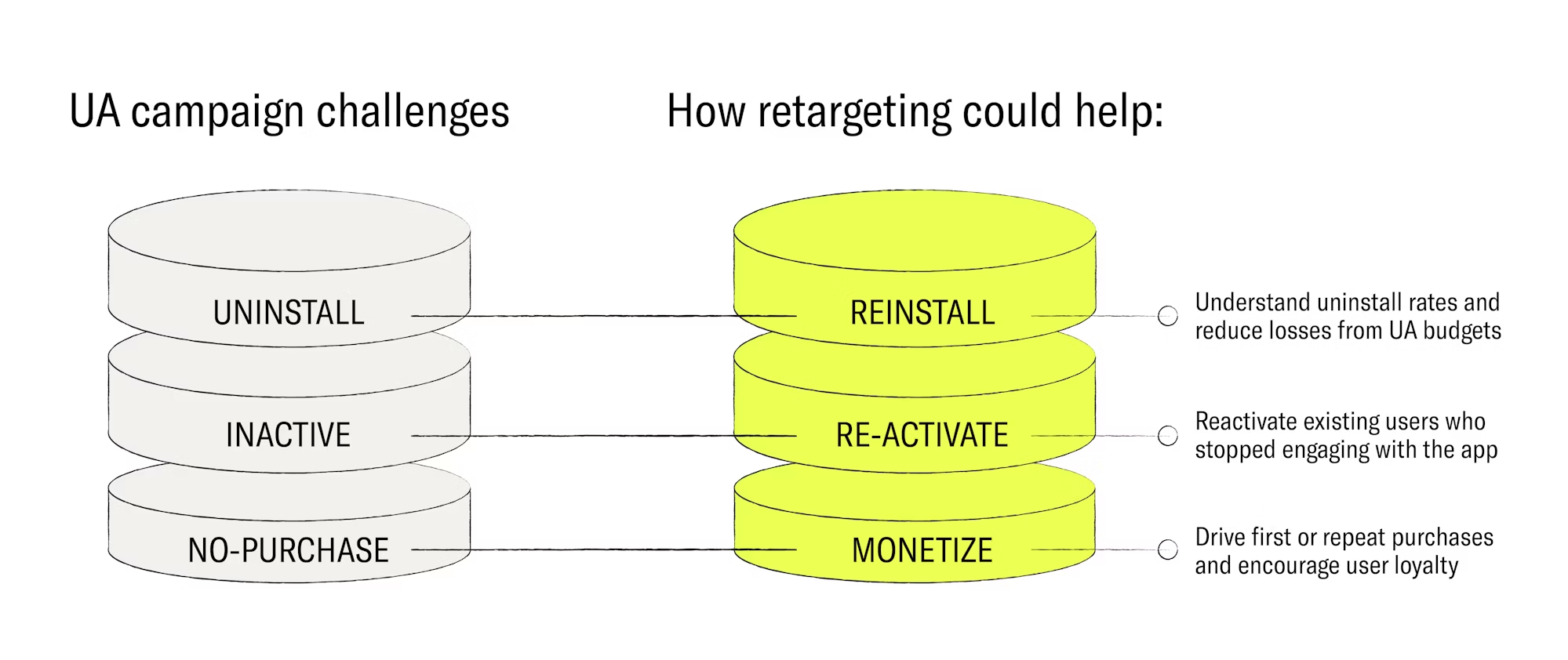
리타겟팅이 앱 성장을 위한 필수 요소인 이유는 다음과 같습니다:

1. 리타겟팅은 사용자 획득(UA) 전략을 보완합니다.

모든 앱 성장 캠페인은 UA에서 시작됩니다. 대부분의 앱들은 출시 단계에서 설치, 계정 등록, 신규 사용자 유입에 집중하며, 대규모 사용자 기반을 구축하고 설치당 비용(CPI)에 따른 광고 지출 최적화를 목표로 하는 UA 캠페인을 진행합니다. 하지만 앱 마케팅 전략을 구상할 때 이러한 요소에만 집중해야 하는 것은 아닙니다.

물론 앱 성장을 위해서는 신규 사용자 획득이 필요하지만 기존 사용자가 지속적으로 앱과 인게이지먼트를 이루는지 모니터링하는 것을 소홀히 해서는 안됩니다. 앱 성장 전략의 장기적인 목표는 사용자 생애 가치(LTV) 향상이므로 사용자가 이탈하기 전에 리타겟팅 캠페인을 진행하는 것이 중요합니다.

한 보고서에 따르면 2022년 기준 49%의 앱이 다운로드 후 30일 이내에 삭제되었으며, 그 중 절반에 가까운 앱이 24시간 이내에 삭제된 것으로 나타났습니다. 이스탄불에서 열린 Mobidictum 컨퍼런스에서 Remerge의 수석 계정 관리자인 예카테리나 리(Ekaterina Li)는 이 주제에 대해 "사용자 획득만으로는 충분하지 않습니다. 다수의 연구에 따르면 일일 활성 사용자의 약 90%가 앱 설치 후 7일 이내에 이탈하는 것으로 나타났기 때문에 처음부터 리텐션율 향상을 위한 강력한 전략을 구축하지 않는다면 UA 투자 효율이 크게 낮아집니다."라고 언급했습니다.

2. 리타겟팅은 기존 사용자의 가치를 극대화합니다.

기존 고객의 유지 및 관리를 위한 리타겟팅 캠페인은 이미 앱 설치를 완료하고 앱 사용에 익숙한 고객의 인게이지먼트 유도에 중점을 둡니다. 따라서 계정 등록 완료, 새로운 레벨 잠금 해제, 인앱 구매 등 광고가 목표하는 행동을 완료하기까지 거치는 단계가 상대적으로 적어 효율적으로 기존 사용자의 가치를 높일 수 있습니다.

사용자에 대한 퍼스트 파티 데이터는 사용자가 앱과 상호 작용하는 방식에 대한 다양한 정보를 제공합니다. 이러한 인사이트를 사용하여 정교한 오디언스 세그먼트를 구축하면 전환 목표 달성에 도움이 되는 맞춤화된 광고 경험을 제공할 수 있습니다.

3. 리타겟팅은 브랜드 상기도(Brand Recall)를 구축합니다.

리타겟팅은 브랜드를 고객의 머릿속에 각인시켜 리텐션율을 개선하는 데 도움이 됩니다. 리타겟팅을 통해 브랜드 상기도(Brand Recall)를 구축하면 사용자가 앱에 익숙해져 향후 앱과 상호 작용할 확률이 높아지고, 행동을 취할 준비가 되었을 때 전환할 가능성 또한 높아집니다.

4. 리타겟팅은 매출을 창출합니다.

다수의 연구에 따르면 리타겟팅된 사용자는 UA 캠페인에만 노출된 사용자에 비해 설치 후 첫 30일 동안 평균 37% 더 많은 매출 이벤트를 생성합니다. 비용적인 측면에서도 기존 사용자의 리인게이지먼트를 유도하는 것이 신규 사용자 획득에 비해 5~10배 저렴합니다.

또한 리타겟팅 광고는 업셀링 캠페인을 보완하고 충성도가 높은 사용자에게 앱에서 돈을 지출할 때 얻을 수 있는 특전과 혜택을 보여주어 프리미엄 구독, 신기능 및 신제품에 대한 관심을 유도할 수 있습니다.

리타겟팅 캠페인 진행 시 Remerge와 같은 리타겟팅 파트너와 협업하면 인앱 데이터를 사용하여 고과금/저과금 사용자를 활동에 따라 분류한 다음, 이들이 클릭할 가능성이 가장 높은 오퍼로 개인화된 광고를 보여줄 수 있습니다.

5. 리타겟팅은 기타 인앱 전환 목표 달성에 중요한 역할을 합니다.

앱이 이미 어느 정도 성장한 상태이거나 시장 포화도가 높은 경우 UA는 더욱 어려워지므로 기타 전환 목표를 달성하기 위해 리타겟팅에 투자해야 합니다. 2021년 기준 사용자의 일평균 모바일 사용 시간은 4.8시간이었으며 인앱 총 지출액은 1,700억 달러를 돌파하였습니다. 그 어느 때 보다 많은 시간과 돈을 스마트폰에 소비하고 있는 지금, 리타겟팅은 사용자와 연결 고리를 형성하고 이들을 세일즈 퍼널의 다음 단계로 안내하기 위한 중요한 요소입니다.

기타 전환 목표의 대표적 예시는 다음과 같습니다:

  • 장바구니 담기 후 주문하지 않은 사용자의 주문 유도
  • 무료 체험 기간이 종료된 사용자의 유료 정기 구독 유도
  • 모바일 게이머의 새로운 캐릭터 또는 게임 레벨 잠금 해제를 유도하여 게임에 대한 참여도 및 충성도 향상

3. 아래 양식을 제출하고 전체 가이드를 무료로 받아보세요!

인앱 리타겟팅과 관련된 보다 다양한 정보가 담긴 이후 9개의 장과 연구 논문, 팟캐스트, 기사 등의 유용한 리소스를 무료로 다운 받으시려면 아래의 양식을 제출하시기 바랍니다.

* indicates required

Remerge의 개별 개인정보 보호방침에 따른 개인 데이터 수집 및 처리에 동의합니다.

We use Mailchimp as our marketing platform. By clicking below to subscribe, you acknowledge that your information will be transferred to Mailchimp for processing. Learn more about Mailchimp's privacy practices.

Sign up now to get the full guide for free!

To get the next nine chapters on in-app retargeting, along with useful resources such as research papers, podcasts and articles, submit the form below and we'll email you the full guide for free!

* indicates required

By submitting this form, I confirm that I agree to the collection and processing of personal data by Remerge, as further described in the Privacy Policy.

We use Mailchimp as our marketing platform. By clicking below to subscribe, you acknowledge that your information will be transferred to Mailchimp for processing. Learn more about Mailchimp's privacy practices.

추천 결과

More thoughts. More stories.

블로그
인사이트
블로그 인사이트 AppTalk by Remerge in Seoul 2025 한 눈에 보기
November 6, 2025
블로그
인사이트
블로그 인사이트 AppTalk by Remerge in Seoul 2025 한 눈에 보기
November 6, 2025
블로그
회사
Remerge, Singular ROI Index에서 최상위 광고 플랫폼으로 선정
May 14, 2025
블로그
회사
Remerge, Singular ROI Index에서 최상위 광고 플랫폼으로 선정
May 14, 2025
블로그
회사
Remerge, AppsFlyer Premier Partner로 공식 선정
May 13, 2025
블로그
회사
Remerge, AppsFlyer Premier Partner로 공식 선정
May 13, 2025
블로그
인사이트
DoorDash의 성공 사례를 통해 배우는 앱 성장을 위한 3가지 인사이트
December 2, 2024
블로그
인사이트
DoorDash의 성공 사례를 통해 배우는 앱 성장을 위한 3가지 인사이트
December 2, 2024
블로그
인사이트
게임 앱들이 짧은 비활성화 윈도우를 통해 ROAS를 개선하는 방법
September 1, 2024
블로그
인사이트
게임 앱들이 짧은 비활성화 윈도우를 통해 ROAS를 개선하는 방법
September 1, 2024
블로그
인사이트
딥링크를 활용한 인앱 인게이지먼트 및 매출 증대 가이드
August 27, 2024
블로그
인사이트
딥링크를 활용한 인앱 인게이지먼트 및 매출 증대 가이드
August 27, 2024
Ep 165: 앱 다운로드 증가를 위한 ASO (앱 스토어 최적화) 팁
September 13, 2023
회사
제품
사례 연구
가이드 및 보고서
팟캐스트
인사이트
클라이언트 스포트라이트
추천
블로그
리타겟팅 어휘
프로그래매틱 광고

디지털 플랫폼을 통한 광고 공간 구매 및 판매 자동화 프로세스.

핵심 성과 지표(KPI)
haegsim-seonggwa-jipyo-kpi

광고주가 캠페인 성과를 추적하기 위해 설정한 주요 지표 또는 데이터 포인트입니다.

성과 지표 설정은 디지털 광고 캠페인에서 측정해야 할 목표와 성과 지표를 파악하는 첫 단계입니다. 성과 지표 유형은 목표와 각 캠페인의 성격에 따라 달라집니다. 자주 사용되는 KPI는 iROAS, iCPA, iRev 등입니다.

퍼블리셔
peobeulrisyeo

퍼블리셔는 인벤토리 소스인 만큼 광고 에코 시스템의 중요한 일부분입니다. 퍼블리셔는 앱을 개발하여 앱스토어에 게시합니다. 퍼블리셔의 주요 목표는 앱 수익화이며, 앱을 통한 수익은 대부분의 경우 광고 인벤토리를 통해 창출됩니다. 예컨대 무료 플레이 게임이나 미디어 기업처럼 전통적인 퍼블리셔는 프로그래매틱 광고에서 거의 모든 수익을 창출합니다.

퍼블리셔는 소유형 퍼블리셔, 운영형 퍼블리셔와 관리형 퍼블리셔로 분류됩니다.

소유형 퍼블리셔와 운영형 퍼블리셔는 인벤토리를 직접 소유하며 판매된 광고 노출의 수익 전액을 수령합니다.관리형 퍼블리셔는 인벤토리를 소유하지 않으며, 인벤토리 소유자와 비즈니스 계약을 체결하여 광고를 진행합니다.

통제 그룹
tongje-geurub

제외 그룹이라고도 하는 통제 그룹은 캠페인의 실험 대상 세그먼트에 포함되지만 광고에 노출되지 않는 그룹을 의미합니다. 통제 그룹에게는 광고를 보여주지 않으므로, 광고의 영향 없이 발생할 수 있는 오가닉 컨버젼을 평가할 수 있습니다. 보통 통제 그룹의 규모는 테스트 그룹보다 작습니다.

테스트 그룹을 참조하세요.

테스트 그룹
teseuteu-geurub

성과 향상 측정에서 테스트 그룹은 광고 노출이 1회 이상 발생한 유저 그룹을 의미합니다. 테스트 그룹에 속하는 유저의 행동은 같은 광고에 노출되지 않은 통제 그룹의 전환과 비교하여 광고가 컨버젼 수 총합과 관련성을 지니는지 계산하는 데 활용됩니다.

통제 그룹을 참조하세요.

초당 조회 수(QPS)
codang-johoe-su-qps

유저에게 도달하기 위해 광고 노출 위치에 대한 입찰을 하고자 DSP가 호출되는 빈도를 측정하는 성과 지표입니다. 실시간 입찰에서는 QPS 수용량이 클수록 이러한 입찰가를 분석 및 실행하는 요청/쿼리의 볼륨도 큽니다.

증분ROAS(iROAS)
jeungbunroas-iroas

광고에 노출된 테스트 그룹의 수익과 광고에 노출되지 않은 통제 그룹의 수익의 차액을 광고에 투자한 금액으로 나눈 값입니다. 증분 ROAS는 캠페인의 비용 효율성이 얼마인지 나타내는 KPI입니다. 증분 ROAS는 오가닉 컨버젼을 무시하고 구매한 유저만 반영하므로, 캠페인의 구체적인 영향을 계산하는 데 유용한 지표입니다.

iROAS가 100%를 초과한다면 캠페인의 증가한 매출이 캠페인 비용보다 많다는 뜻입니다(양수 ROI). 예를 들어 광고에 1달러를 지출하여 5달러의 매출이 발생함으로써 4달러의 수익을 얻는 경우가 이에 해당합니다. 공식 = 증가한 매출/광고 지출

ROAS를 참조하세요.

증가한 컨버젼
jeunggahan-keonbeojyeon

통제 그룹에 비교했을 때 캠페인이 타게팅하는 유저의 컨버젼이 얼마나 증가했는지를 나타내는 KPI입니다.

보다 명확하게 말하자면, 증가한 컨버젼은 캠페인의 결과로 발생한 컨버젼을 의미합니다. 증가한 컨버젼은 광고가 표시되지 않았다면 발생하지 않았을 컨버젼이기 때문에 이렇게 표현합니다.

증가한 컨버젼 = 테스트 그룹 컨버젼 - 통제 그룹 컨버젼(조정됨)

자체 어트리뷰팅/리포팅 네트워크
jace-eoteuribyuting-ripoting-neteuweokeu

자체 어트리뷰팅 네트워크 또는 자체 리포팅 네트워크는 서비스 제공 업체가 통제하는 서비스라고도 알려져 있습니다. Google, Facebook, Twitter 등 캠페인에 대해 자체 어트리뷰션을 실시하며 MMP와의 중개 트래킹 링크를 지원하지 않는 대기업도 이에 해당합니다.

캠페인을 진행하고 서드 파티 측정 도구(모바일 측정 파트너)를 통해 어트리뷰션 결과를 받는 독립적인 업체와는 달리, 자체 어트리뷰션 네트워크는 네트워크가 직접 운영을 결정하고 통제하는 폐쇄형 에코 시스템입니다.

일반 데이터 보호 규정(GDPR)
ilban-deiteo-boho-gyujeong-gdpr

일반 데이터 보호 규정(GDPR) 2016/679는 유럽 연합 및 유럽 경제 구역에서의 데이터 보호와 개인 정보 보호에 관한 사항을 규정하는 EU 법령으로, EU 및 EEA 외 지역으로의 개인 데이터 이전에 관한 규정도 포함합니다.

GDPR은 프로그래매틱 광고를 비롯한 모든 업계에서 기업이 보유한 데이터를 처리하는 방법을 정의하고 이러한 데이터를 보호하기 위해 고안되었습니다.

GDPR은 조직이 자신의 데이터를 저장하고 사용하는 방식을 제어할 수 있는 권리를 유저에게 부여합니다. 조직은 이러한 데이터를 저장하고 활용하는 방식을 완전히 투명하게 공개할 의무가 있습니다.

광고에서는 유저의 동의를 받고 유지하는 것이 에코 시스템에서 제품과 서비스를 판매하는 데 있어 매우 중요합니다. 따라서 프로그래매틱 판매자는 GDPR 준수를 위해 유저의 데이터를 저장하고 사용하는 방식을 유저에게 효과적으로 알려야 하며, 동의를 제공함으로써 얻을 수 있는 혜택을 유저에게 이해시켜야 합니다. 유저는 동의를 제공함으로써 광고의 타게팅을 허용하게 되며, 따라서 더욱 관련성 높은 광고를 받아볼 수 있게 됩니다.

인앱 이벤트
inaeb-ibenteu

로그인, 등록, 완료된 튜토리얼, 구매 등 유저가 한 인앱 행동입니다.

이러한 이벤트는 모바일 측정 파트너가 측정할 수 있으며, 광고주가 캠페인 설정 초기 단계에 정의한 성과 지표(KPI)에 반영되어 캠페인의 효과 측정에 사용됩니다.

광고주는 트래킹 이벤트를 통해 사용 패턴을 확인하고 유저 세그먼트를 파악할 수 있습니다.

유저 인입(UA)
yujeo-inib-ua

신규 유저가 앱을 다운로드하거나 구매하도록 유도하는 과정입니다.

유저 인입은 모든 모바일 마케팅 전략의 중요한 부분으로서 모바일 애드 네트워크 또는 소셜 미디어 채널의 광고를 통한 유료 활동과, 앱 스토어 최적화 및 자체 소유 채널에서의 프로모션을 통한 오가닉 다운로드 유도를 포함한 무료 활동의 두 가지 주요 활동 유형으로 분류됩니다.

모바일의 유저 인입 목표는 유저의 앱 인스톨 유도입니다. 따라서 광고주는 단계적 출시부터 앱의 수명 주기 전반에 이르기까지 가치가 높은 유저를 지속적으로 유치하는 방식으로 유저 인입 캠페인을 계획합니다.

유저 생애 가치(LTV)
yujeo-saengae-gaci-ltv

평균적인 유저의 가치를 계산하는 데 사용되는 지표입니다. 유저 생애 가치는 유저와의 관계가 지속되는 동안 해당 유저에게서 창출될 수 있을 것으로 기대되는 수익과 수익 마진을 나타냅니다.

광고주는 유저 생애 가치 지표를 파악하여 가장 가치 있는 유저 세그먼트를 파악하고, 이러한 정보에 기반하여 캠페인 투자에 관한 의사 결정을 내릴 수 있습니다.리타게팅은 유저 생애 가치를 늘리기 위한 캠페인 전략입니다.

광고주는 유저를 리타게팅함으로써 인앱 참여를 유지할 확률을 높이고, 이를 통해 잠재적인 유저 생애 가치를 증대할 수 있습니다.

업리프트 리포트
eobripeuteu-ripoteu

리머지가 생성한 보고서로, 오가닉 컨버젼과 마케팅으로 인해 발생한 기타 모든 컨버젼 외의 매출 증가를 나타냅니다. 리머지의 고객은 이 보고서를 통해 성과 향상 캠페인의 업리프트 결과를 평가할 수 있습니다.보통 업리프트 보고서는 관찰값 및 계산된 KPI의 결과를 나타냅니다. 관찰된 결과는 광고 지출, 그룹 규모, 컨버젼 금액, 전환한 사람 및 그룹당 수익을 포함합니다. 기타 모든 KPI는 전술한 값을 사용하여 계산됩니다.

어트리뷰션 방법론
eoteuribyusyeon-bangbeobron

클릭 또는 광고 노출로 인해 발생한 컨버젼을 파악하는 데 사용되는 방법론입니다.

어트리뷰션을 참조하세요.

어트리뷰션
eoteuribyusyeon

모바일 어트리뷰션은 상응하는 앱 인스톨 및 인스톨 후 이벤트에 대해 광고 노출이나 클릭의 기여를 인정하거나, 특정한 변수에 기반하여 광고 지출을 유저 참여나 인스톨에 대해 어트리뷰션하는 등 데이터 포인트를 매칭하는 방법을 의미합니다.

어트리뷰션은 유저가 광고와 상호 작용하면 어떤 일이 일어나는지 설명하고자 하나, 유저와 이벤트 간 일어난 적시의 상관관계에만 의존할 뿐 컨버젼 발생에 영향을 주었을 수도 있는 다른 요소는 고려하지 않습니다.

자주 사용되는 어트리뷰션 모델은 클릭스루, 뷰스루, 라스트 터치, 멀티 터치 어트리뷰션입니다.

앱 수익화
aeb-suighwa

앱 개발자/퍼블리셔가 앱에서 수익을 창출하기 위해 사용하는 전략입니다.

세그먼트
segeumeonteu

세그먼트는 활동 수준, 가치, 구매 금액 또는 마지막으로 앱을 연 시점 등공통적인 행동 패턴을 지닌 사용자의 그룹입니다.

성과 향상
seonggwa-hyangsang

오가닉 트래픽을 유료 인스톨과 구분하여 마케팅 캠페인의 효과를 측정하는 데 사용하는 방법입니다.

모바일 마케팅 업계에서 자주 발생하는 문제는 일부의 경우 오가닉 트래픽을 유료 인스톨과 구분할 수 없다는 점입니다. 이로 인해 마케팅 지출의 계산이 잘못될 수 있으며, 최악의 경우 마케터가 무료로 발생한 인스톨에 대한 비용을 지불하게 될 수 있습니다. 성과 향상을 측정하여 마케팅 캠페인의 효과와 오가닉 트래픽의 규모를 보여주면 이러한 문제를 해결할 수 있습니다.

또한 이러한 정보를 활용하여 각 증가한 컨버젼의 비용을 파악하고(마케팅 지출로 인해 발생한 인스톨), 해당 채널에 대한 지출 규모를 확대할 수 있습니다.자세한 내용을 읽어보세요(성과 향상 페이지 링크).

모바일 측정 파트너(MMP)
mobail-ceugjeong-pateuneo-mmp

광고 노출, 클릭, 인스톨, 앱 열기, 등록 및 기타 컨버젼 이벤트 등의 앱 사용자 이벤트에 관한 어트리뷰션 데이터가 기록되는 플랫폼을 제공하는 어트리뷰션 파트너입니다.

광고주는 이 데이터를 사용하여 유료 캠페인에 대한 어트리뷰션을 인정할 소스를 파악하고 이러한 마케팅 활동의 효과를 확인할 수 있습니다.

리셔플
risyeopeul

리셔플은 이전에 테스트 그룹이나 통제 그룹에 속했던 유저의 무작위 배정 및 마킹을 의미합니다.

성과 향상 측정에서 특정한 앱의 그룹 배정 리셔플은 시간의 경과에 따라 누적되는 편향을 방지하기 위해 실시됩니다(한 그룹의 유저는 계속 광고를 보지 못하는 반면, 다른

그룹은 지속적으로 광고에 노출되는 등). 리셔플 테스트를 장기간 진행한 경우 및/또는 캠페인 설정, 세분화 또는 크리에이티브 전략이 크게 변경된 경우에 실시합니다.

랜덤 제어 실험 (RCT)
raendeom-jeeo-silheom-rct

유저를 테스트 그룹과 통제 그룹으로 무작위 분류하여 일체의 편향을 방지하고 광고의 실질적인 영향을 평가할 수 있는 성과 향상 실험을 랜덤 제어 실험(RCT)이라고 합니다. 보통 테스트 그룹과 통제 그룹의 분배 비율은 80 대 20입니다.

테스트 그룹과 통제 그룹에 대한 자세한 내용을 읽어보세요

라스트 터치 어트리뷰션(LTA)
raseuteu-teoci-eoteuribyusyeon-lta

모바일 측정 파트너가 유저의 마지막 행동과 이로 인해 발생한 광고 클릭을 매칭하는 데 자주 사용되는 방법입니다.

모바일 광고에서는 이 모델에 따라 클릭이 발생한 마지막 수요 측 플랫폼이 어트리뷰션에 대한 기여를 인정받게 됩니다. 유저가 클릭한 광고를 통해 전환한 경우, 유저의 마지막 클릭이 발생한 수요 측 플랫폼이 해당 컨버젼 이벤트에 대한 기여를 인정받습니다. 유저가 광고를 여러 번 클릭했는데 클릭할 때마다 다른 DSP를 통해 클릭이 발생한 경우, 마지막 클릭만 어트리뷰션됩니다. 이 라스트 터치 모델에서는 유저가 컨버젼 경로에서 거친 다른 터치 포인트가 고려되지 않습니다.

딥링크
dibringkeu-2

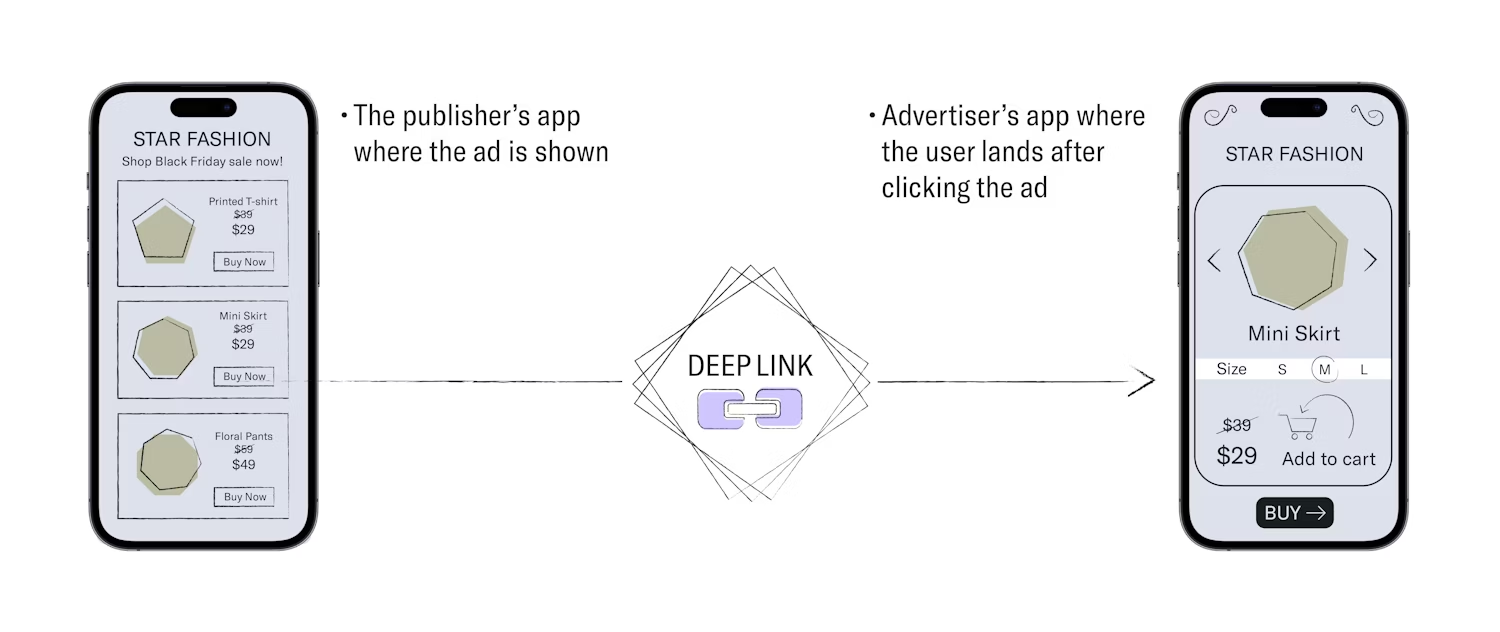
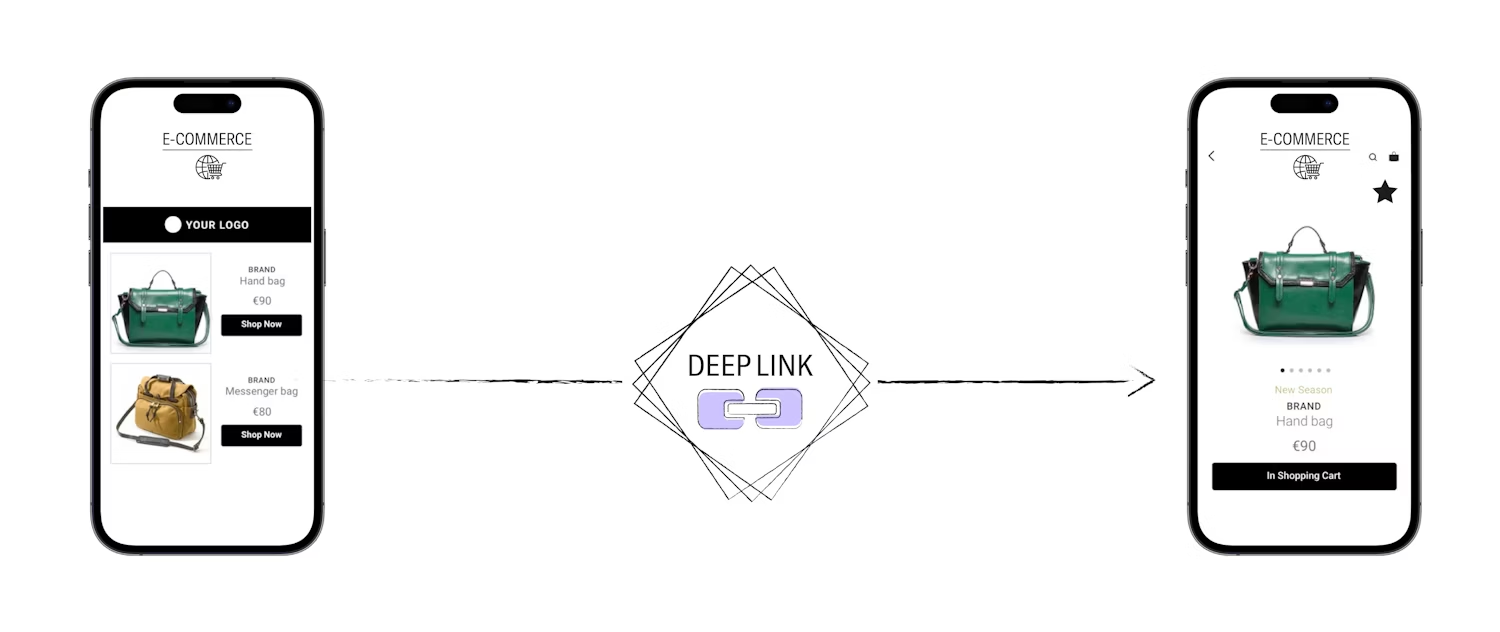
딥링크는 웹사이트나 스토어가 아닌 앱으로 유저를 직접 연결하는 링크입니다. 모바일 광고에서 딥링크는 유저가 더욱 쉽고 빠르게 원하는 페이지에 접속할 수 있도록 특정한 인앱 페이지로 보내는 데 사용됩니다.

광고주는 모든 관련 퍼널 이벤트를 매핑하고 상응하는 딥링크와 연결함으로써 유저를 특정한 인앱 위치(예: 특정한 랜딩 페이지나 컨버젼 지점)로 직접 연결할 수 있습니다.

딥링크는 유저를 정확한 컨버젼 지점으로 리디렉션하여 원활한 앱 열기를 지원하고, 보다 원활하고 개인화된 경험을 제공함으로써 수익화 기회와 참여를 늘립니다.

딥링크
dibringkeu

업리프트 테스트에서 노출률은 노출이 발생한 테스트 그룹 유저의 수를 계산한 비율입니다.

노출률은 1회 이상의 광고 노출이 발생한 테스트 그룹의 모든 고유한 유저(UU)를 포함합니다. 노출률을 늘리는 것이 목표입니다.

노출률
noculryul

업리프트 테스트에서 노출률은 노출이 발생한 테스트 그룹 유저의 수를 계산한 비율입니다.

노출률은 1회 이상의 광고 노출이 발생한 테스트 그룹의 모든 고유한 유저(UU)를 포함합니다. 노출률을 늘리는 것이 목표입니다.

광고투자수익률(ROAS)
gwanggotujasuigryul-roas

회사가 광고 출처에 지출한 모든 예산에 대해 창출한 수익을 측정하는 KPI.

광고주는 광고투자수익률을 계산하여 캠페인 예산을 통해 충분한 수익이 창출되었는지 확인할 수 있습니다. 광고투자수익률이 양수이면 지출보다 많은 수익이 창출된 것입니다.

리타게팅의 경우, 증분 ROAS(iROAS)는 광고 캠페인이 수익에 미친 실질적인 영향을 보여주며, 유저 인입이나 오가닉 컨버젼에 대한 기여는 고려하지 않습니다. 증분 ROAS는 증가한 매출을 캠페인 비용으로 나눈 값입니다. 광고주는 이 지표를 추적하여 캠페인의 성과를 측정하고 이에 따른 최적화를 수행할 수 있습니다.

공식: ROAS = 수익/비용

광고주
gwanggoju

광고주는 매출 창출에 주력하며, 적시에 적절한 타깃에게 적합한 메시지를 전달하는 광고를 게재하는 사람 또는 법인입니다.

모바일 광고에서 광고주는 클라이언트 측에 해당하며, 앱 홍보에 관심을 가진 주체입니다.

DCA(다이내믹 콘텐츠 광고)
dca-dainaemig-kontenceu-gwanggo

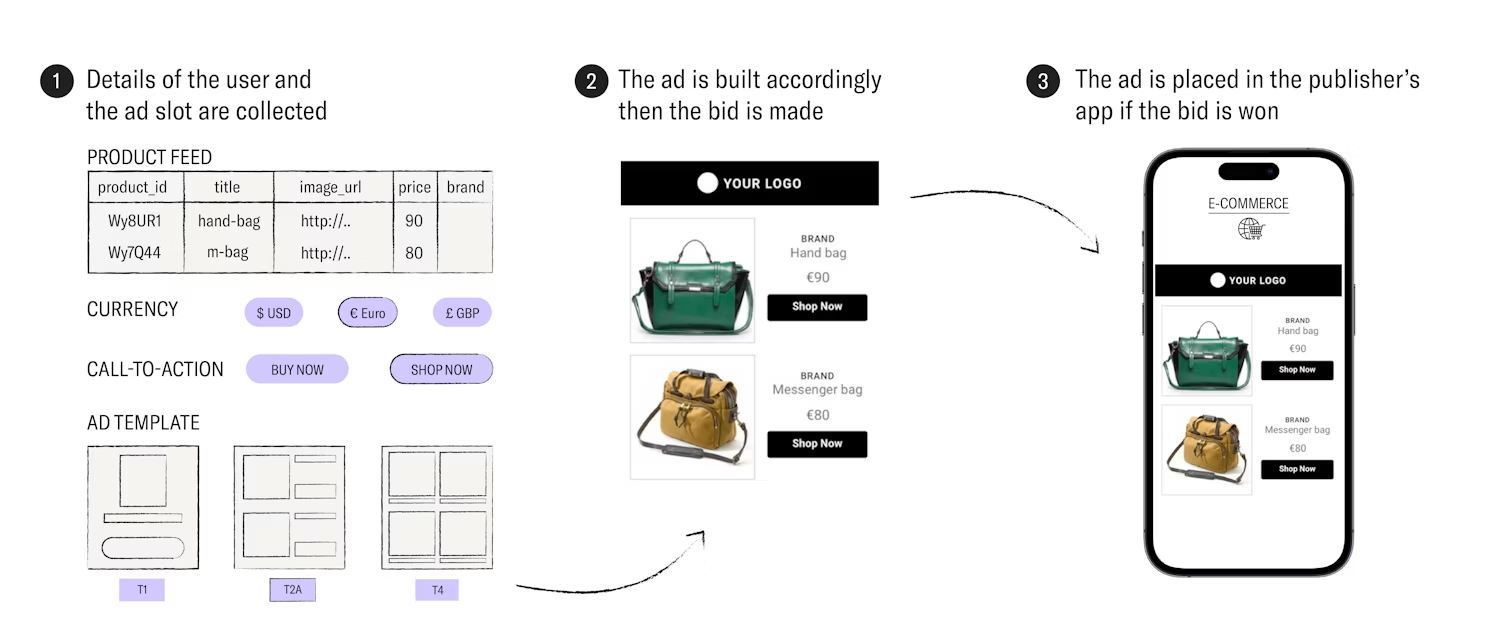
다이내믹 콘텐츠 광고는 유저 행동에 기반하여 실시간으로 만들어지며, 각 유저의 행동, 선호와 의향에 기반하여 맞춤 경험을 제공하기 위한 광고입니다. DCA는 형식이 다양하며 여러 맞춤 자산을 포함합니다.

DCA는 유저의 이전 행동 및 정기적으로 업데이트되는 제품 피드 정보에 기반하여 밀리초 단위로 동적으로 만들어집니다.

(광고) 노출
gwanggo-nocul

사용자가 표시된 광고를 보는 행위를 의미합니다.

고스트 입찰
goseuteu-ibcal

고스트 입찰은 리머지가 성과 향상 캠페인에 사용하는 입찰 전략으로, 테스트 그룹과 통제 그룹으로 분류된 유저를 통해 수익과 컨버젼을 추적합니다.

이 방법은 추가 비용이 소요되지 않으며, 방해 요소도 최소화된 방식입니다. 리머지는 고스트 입찰을 통해 타깃 세그먼트에 포함되며 RTB 광고 익스체인지에서 확인되는 모든 유저의 수익과 컨버젼을 추적하며, 이때 해당 유저에 대한 입찰가를 제출하는지 여부는 고려하지 않습니다. 원하는 유저는 광고에 노출되는 테스트 그룹과 리머지에 게재되는 광고에 노출되지 않는 통제 그룹으로 분류됩니다.

Real-Time Bidding (RTB)
real-time-bidding-rtb

The process by which individual ad placements are bought and sold via programmatic auctions that happen instantaneously. With real-time bidding, ad buyers bid on an ad space, which, if the auction is won, instantly displays the buyer's ad. This lets demand-side players such as advertisers or DSPs optimize the purchase of ad placements from multiple sources.

Publisher
publisher

Within the sphere of app marketing, a publisher is an App Developer that gets paid for placing ads within their app. For example, an advertiser wants to reach their users via App Y, so they pay App Y to display their ads.

further reading
Probabilistic Attribution
probabilistic-attribution

Refer to: Attribution Methodology

Organic Behavior
organic-behavior

A user’s behavior not directly attributable to specific marketing efforts.

Intent-to-Treat (ITT)
intent-to-treat-itt

An incrementality testing methodology where no ads from the campaign are shown to devices within the control group. Also known as a ‘holdout test’. Cost-free and easy to implement, but with a relatively high level of noise.

This method compares the behavior of all users in both groups. In the test group, this includes both exposed and unexposed users

iRevenue (증가한 매출)
incremental-revenue-irevenue

통제 그룹의 행동과 비교하여 어트리뷰션된 캠페인 수익의 증분이 얼마인지 나타내는 지표입니다.

오가닉 행동과 기타 마케팅 활동 외의 소스를 통해 추가적으로 창출된 캠페인 수익을 나타내는 지표입니다. 공식 = 리타게팅을 통한 수익 - 수익

Incremental Conversions
incremental-conversions

The estimated amount of conversions caused directly by the campaign.

Formula:
Test group conversions – control group conversions (scaled) = Incremental conversions

Ghost Ads
ghost-ads

A testing methodology that shows devices in the control group an ad ran by another advertiser on the platform, therefore removing any additional cost for clicks and impressions. The control group behavior is then marked with a ‘ghost impression’, which gives the information on which control group users would have been exposed.

further reading
Deterministic Attribution
deterministic-attribution

Refer to: Attribution Methodology

Attribution Window
attribution-window

A specific time frame that is taken into consideration when determining the source of a user’s action.

Causal Impact Analysis
causal-impact-analysis

A measurement framework developed by Google that works without device IDs. It measures the incremental uplift of one or more conversion events, removing the influence of other campaigns and organic conversions. Used to assess the effect of ID-less campaigns.

Similar to measuring the effect TV ads have, the principle is based on running campaigns on identifiable sub-markets (test group), while leaving other sub-markets unexposed (control group).

Multi-Touch Attribution
multi-touch-attribution

Refer to: Attribution Methodology

In-app Event
in-app-event

Actions made by a user within the app, such as log-in, registration, completion of onboarding, or purchases. These events can be tracked with the help of an MMP.

Identifier for advertisers (IDFA)
identifier-for-advertisers-idfa

A unique random device identifier Apple generates and assigns to every iOS device. Advertisers can use this to track user activity across apps, show them personalized ads, and attribute ad interactions.

Exposure Rate
exposure-rate

The percentage of devices within a test group that received at least one ad impression, versus the total number of devices within the test group targeted within a campaign during an uplift test. For example, if 900 out of 1,000 users are shown an ad, the exposure rate is 90%.

See also: Uplift Test

Attribution Provider (AP)
attribution-provider-ap

A role played by an MMP to credit the in-app activity of users to the correct media sources.

Android Advertising identifier (AAID)
android-advertising-identifier-aaid

Also known as Google Advertising Identifier. A unique device identifier that Android generates and assigns to every device. Advertisers can use this to track user activity across apps, show them personalized ads, and attribute ad interactions.

Advertisers
advertisers

The advertiser is a person or legal entity focusing on generating sales and leads through serving ads that convey the right message to the right audience at the right time.

In mobile advertising, the advertiser is on the client-side and is the one interested in promoting an app.

Ghost Bids
ghost-bids

An incrementality testing methodology based on Ghost Ads, adapted for retargeting campaigns. The difference is that it removes all devices that are not seen on ad exchanges, or that would not be bid on, from both test and control groups, to reduce noise. A bid is placed as usual for the test group, while the control group is tracked with ‘ghost bids’ (bids that could have been placed, but weren’t in the end).

DSP(수요 측 플랫폼)
demand-side-platform-dsp

광고주가 여러 프로그래매틱 애드 네트워크에 걸쳐 광고 인벤토리를 구매할 수 있는 플랫폼입니다. 이 플랫폼은 광고주 대신 입찰을 하여 원하는 광고 인벤토리를 파악하고, 낙찰받고, RTB 지출을 최적화하도록 구축되었습니다.

광고 익스체인지를 통한 실시간 입찰 프로세스는 유저의 컴퓨터가 페이지나 앱을 로드하면 밀리초 단위로 실행됩니다.

광고주는 이 강력한 기술을 통해 유저의 위치 및/또는 행동에 관한 정보에 따라 디스플레이, 동영상, 모바일 및 광고의 구매를 자동화할 수 있습니다.

Variable Bidding
variable-bidding

The dynamic adjustment of bid prices based on a user's in-app behavioral patterns, contextual information, time of day, and ad placement performance.

User Acquisition (UA)
user-acquisition-ua

A mobile marketing effort used to attract new users to an app. Paid UA may refer to ads shown in mobile ad networks or social media channels, while non-paid UA involves app store optimization and promotion on the advertiser’s own channels.

Retention Rate
retention-rate

The share of users active in the app within certain time frames after install, reengagement, or other events.

Retargeting
retargeting

A type of marketing channel used by an app owner to engage with their existing users through other channels within the same device. Usually, the aim is to encourage users to complete a particular task e.g. completing a purchase, buying in-game currency, placing a first order. The conventional way of retargeting relies on user IDs, such as AAID and IDFA.

Randomised Controlled Trial (RCT)
randomised-controlled-trial-rct

A method that randomly separates a specific population into two groups that are as similar to each other as possible, namely the test group and control group.

further reading
Mobile Measurement Partner (MMP)
mobile-measurement-partner-mmp

Within the sphere of app marketing, MMPs are a service provider that specializes in measuring activities that are happening within and leading to the app. An app publisher may incorporate an MMP into their app to track activity and events e.g. time spent on a certain screen, sources of incoming traffic, app opening frequencies etc.

Last-Click Attribution
last-click-attribution

Refer to: Attribution Methodology

Key Performance Indicator (KPI)
key-performance-indicator-kpi

The key metrics used to assess the effectiveness of an effort in achieving its objective. In programmatic advertising, the common types of performance indicators depend on the goals and nature of each campaign. These can include ROAS, cost per action, and retention rate.

Incremental Return On Ad Spend (iROAS)
incremental-return-on-ad-spend-iroas

A KPI used in calculating how cost-efficient a campaign is. This is used to evaluate the relationship between incremental revenue and the amount of money spent on the campaign. The figure is typically represented in percentage.

Formula:
Percentage: [IRevenue ÷ ad spend] × 100 = IROAS%
Ratio: IRevenue ÷ ad spend = IROAS

Return on Advertising Spend (ROAS)
return-on-advertising-spend-roas

A KPI that measures the relationship between the revenue generated by specific advertising efforts and the money spent on them.

Formula

Percentage: [Revenue ÷ ad spend] × 100 = ROAS%

Ratio: Revenue ÷ ad spend = ROAS

See also: Incremental Return On Ad Spend

Supply-Side Platform (SSP)
supply-side-platform-ssp

A company that works with publishers to sell ad inventory across ad networks.

Open RTB
open-rtb

A digital marketplace where ad inventory from multiple publishers are available for advertisers to bid on in real time.

See also: Real-Time Bidding

Self-Attributing Network
self-attributing-network

An ad network like Meta, Snap, and Twitter, that attributes its traffic internally, without the involvement of third-party MMPs.

Public Service Announcement Ad (PSA Ads)
public-service-announcement-ad-psa-ads

An incrementality testing methodology where devices in the control group are shown PSA ads, like donation drives or road safety reminders. By serving real ads, information on the devices within the control group that would have been exposed can be obtained. Unexposed devices are excluded from the measurement to reduce noise.

Lifetime Value (LTV)
lifetime-value-ltv

The amount of revenue generated by the user for the App Developer during the entire duration of the relationship with the user, beginning with the app install.

Attribution Methodology
attribution-methodology

Refers to the process of identifying which conversions belong to which preceding click or impression. Common attribution methodologies include:

  • Click-Through Attribution - Determines the source of a conversion based on the user’s click activity.

  • View-Through Attribution - Determines the source of a conversion based on the ad impression delivered to the user.

  • Deterministic Attribution - A model that establishes the origin of a user’s conversion from a specific click or impression, based on unique device IDs.

  • Probabilistic Attribution - A model that establishes the likelihood of a user’s conversion originating from a specific click or impression, based on the data logged on both occasions, such as device language, timezone, IP address, and OS version.

  • Last-Touch Attribution - A model that establishes a match between the action taken by a user (e.g. app open, purchase) and its corresponding ad click or impression. When a user converts from an ad, the DSP that delivered the respective ad is given full credit for that conversion event.

  • Multi-Touch Attribution - Also known as multi-channel attribution. A model determines the value of every touchpoint on the way to a conversion. Rather than giving full credit to one ad, multi-touch attribution divides the credit among all advertising channels that the user has interacted with, leading to the conversion.
View-Through Attribution
view-through-attribution

Refer to: Attribution Methodology

Uplift Report
uplift-report

A report by Remerge showing the results of an uplift test. It presents the incremental revenue generated, on top of organic and other marketing-driven conversions. Also contains observed values such as ad spend, group sizes, amount of conversions, converters, and revenues per group, plus other metrics.

Segment
segment

A group of users with common attributes such as location, demographics, activity level, value or amount of purchases, and how recently they last opened a specific app.

Queries Per Second (QPS)
queries-per-second-qps

The number of ad placements a DSP is able to process in order to determine on how to bid on them.

Incrementality
incrementality

A method of measuring the impact of a specific activity, on top of organic and other activity.

Impression
impression

The deployment of the ad to the ad placement. An impression might not necessarily mean that the ad has been viewed.

Contextual targeting
contextual-targeting

A type of targeting that works with contextual signals only, such as location data (country, city, postal code), language setting, mobile operating system, device model, as well as publisher information.

App Monetization
app-monetization

The strategy a publisher employs to earn money from their app. This can be done through in-app advertisements, paid membership, and charging for premium features or an ad-free experience, among others. For example, some gaming apps are free to download and play, but users may need to pay in order to progress to the next level quickly.

Uplift Test
uplift-test

A randomized control trial test conducted by Remerge to measure the incremental impact of one or more campaigns.

See also: Randomized Controlled Trial

SKAdNetwork
skadnetwork

Stands for Store Kit Advertising Network. Apple’s measurement framework for tracking mobile attribution. Introduced in 2018 and widely implemented in 2020 with the iOS 14.5 update.

Reshuffle
reshuffle

Reshuffle indicates the randomization and marking of users when they were once part of a test or control group.

In incrementality measurement, reshuffling the group assignment for a specific application fights aggregated bias over time where one group doesn't see any ads while the other group is constantly exposed to them.

Reshuffling is relevant in cases where a test has been running for a long time and/or in campaigns the experience more extensive changes to the campaign setups, segmentation, or creative strategy.

iCPA(증가한 액션별 비용)
incremental-cost-per-action-icpa

내부적으로는 증가한 컨버젼당 비용이라고도 하는 지표입니다. 광고주는 이 지표를 통해 유저의 컨버젼이나 구매를 유도하는 데 소요되는 증가한 비용을 파악할 수 있습니다.

추적된 수익이 반영되지 않은 비즈니스 모델을 사용하는 캠페인이나 인앱 이벤트 스트림에서 수익을 확인할 수 없는 경우 목표 설정 및 성과 평가 시 증가한 컨버젼당 비용(iCPA)을 살펴보아야 합니다. 공식 = 광고 지출/증가한 컨버젼

General Data Protection Regulation (GDPR)
general-data-protection-regulation-gdpr

A regulation under the EU (European Union) law on data protection and privacy within the EU and the EEA (European Economic Area), that grants users control over how their data is stored and used by organizations. To comply with GDPR, programmatic sellers must clearly communicate to users how their data will be stored and used. When a user gives consent to an organization to process their data, it enables targeted advertising.

Test Group
test-group

Within the sphere of app marketing, this refers to the group of devices that may be shown ads from a specific campaign in the test. The actions on these devices are then compared to the actions on the devices in the control group.

Compare with: Control Group

further reading
Control Group
control-group

Within the sphere of app marketing, this refers to the group of devices within the target audience that are not shown ads from a specific campaign in the test. The actions on these devices are then compared to the actions on the devices in the test group.

Compare with: Test Group

further reading
California Consumer Privacy Act (CCPA)
california-consumer-privacy-act-ccpa

캘리포니아 소비자 개인 정보 보호법(CCPA)은 미국 캘리포니아 주에 거주하는 사람들의 개인 정보 보호 권리와 소비자 보호를 증진하는 법입니다. CCPA는 2020년 1월 1일에 발효되었습니다.

CCPA는 다음의 소비자 권리를 보장합니다.

- 자신에 대해 어떤 개인 데이터가 수집되는지 알 권리
- 자신의 개인 데이터가 판매 또는 공개되는지 및 그 대상이 누구인지 알 권리
- 개인 데이터 판매를 거부할 권리
- 자신의 개인 데이터에 액세스할 권리
- 소비자에게서 수집된 해당 소비자에 관한 모든 개인 데이터를 삭제하도록 비즈니스에게 요구할 권리
- 모든 개인 정보 보호 권리를 행사하더라도 동일한 서비스와 가격을 보장받을 권리

Programmatic Advertising
programmatic-advertising

The automated process of buying and selling advertising space through digital platforms.

Attribution
attribution

A method of identifying the touchpoints a user has encountered within a specified period before making a conversion.

App Tracking Transparency (ATT)
app-tracking-transparency-att

The privacy framework from Apple that, among other things, manages the process of obtaining user consent before accessing their Identifier for Advertiser (IDFA).

Real-Time Audience Segmentation
real-time-audience-segmentation

The division of an audience into distinct segments based on real-time events, thus enabling targeted advertising and alignment with a user's behavioral patterns and preferences.

가이드 및 보고서
인사이트
가이드 및 보고서
인사이트
가이드 및 보고서
인사이트